
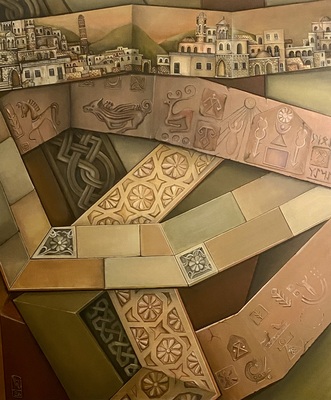
Between layers
$3.250
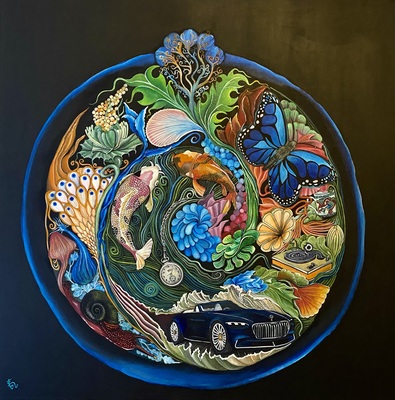
Untitled/ Spiral Series
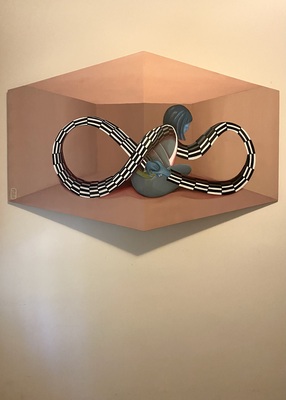
Infinity Girl
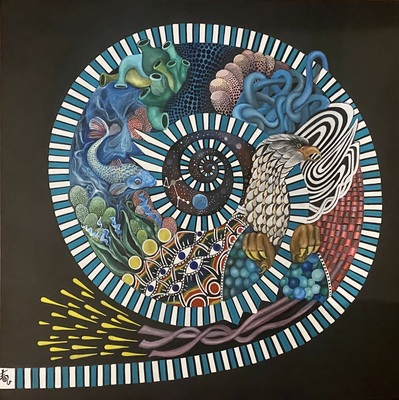
Untitled/ Spiral Series
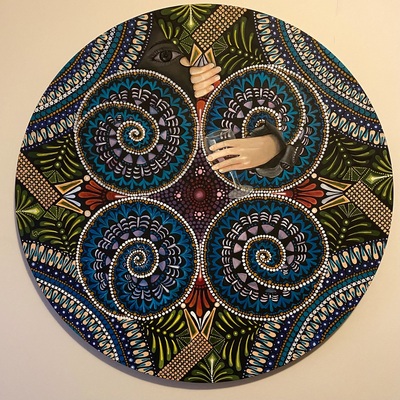
Untitled / untitled Spiral Series
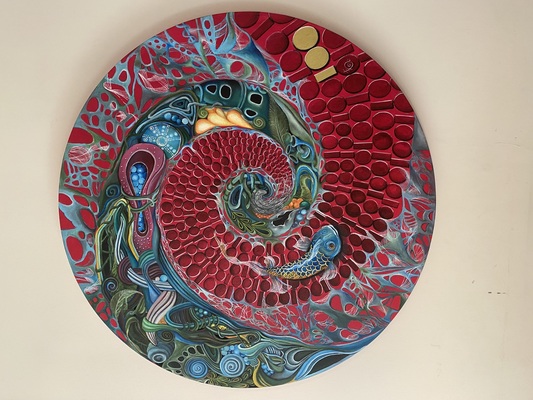
100th year
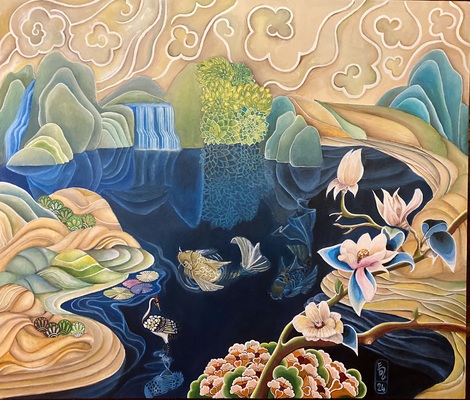
Magical Lake
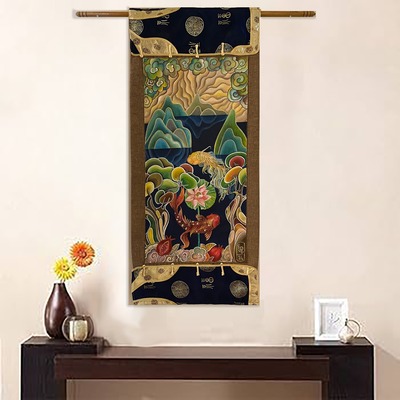
Lake
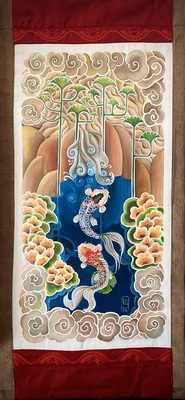
Magical Lake / Scroll Series
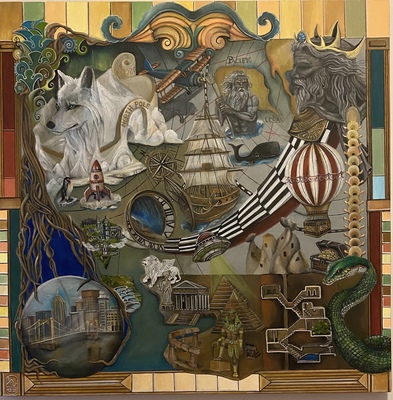
Threshold
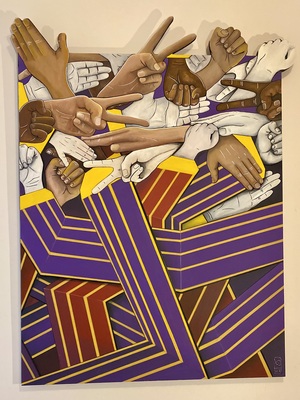
Rock Paper Scissors
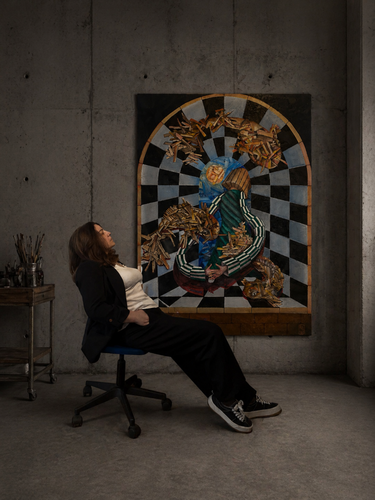
My production practice draws from the discipline of architecture; however, I approach architecture not as a form directly represented in painting, but as an invisible structure. Architectural thinking operates in my works like a system that is not read on the surface but carries the composition. Line, rhythm and continuity are the counterparts of architecture in painting. Structure exists as a backbone that does not impose itself on the surface of the painting; that organizes form, void and flow.
The relationship between solidity and void in architecture takes place as a fundamental constitutive element in my paintings. How spaces open to each other, where they concentrate and where they breathe determines the rhythm of the composition. Void is not a passive space for me; it is an active component that defines form and directs movement. This approach occurs through the transfer of spatial awareness to the painting surface.
While architecture proposes a space that resists time, painting enables a process that evolves with time. The tension between these two approaches is decisive in my production. Works usually begin with a structural setup; as the process progresses, control loosens and intuition comes into play. Line does not follow a predetermined fixed route; it transforms, repeats and expands. These repetitions are not merely a formal choice, but a way of making rhythm and continuity visible.