 Current
Immortal Storyboard
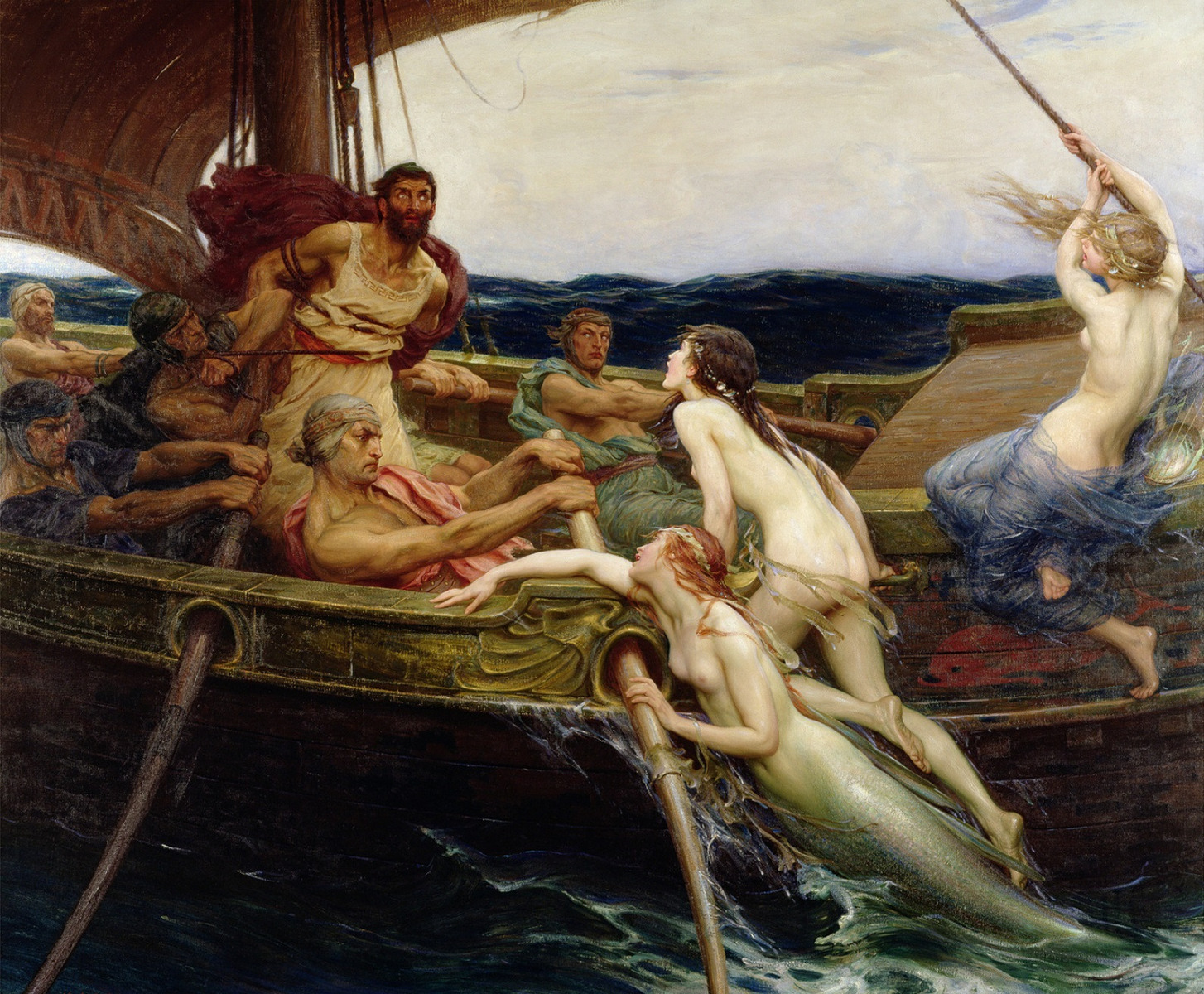
Why Has the Odyssey Been Depicted for Three Thousand Years? How long does a story live? Ten years? A century? Or does a story that potters, sculptors, engravers, painters, and today's film directors have never been able to stop recreating for three thousand years ever truly age? Christopher Nolan's big-budget Odyssey adaptation is not merely a new film. It is the latest link in one of humanity's longest-running visual traditions — IMAX cameras picking up where a hand that painted a black-figure vase three thousand years ago left off. Because Homer's epic was never solely read. First it was depicted scene by scene on ancient Greek pottery. Then it passed into marble reliefs. The Renaissance reinterpreted it, the Romantics reimagined the Sirens and Calypso, the Symbolists turned Odysseus into a metaphor for the human mind. Today, those same scenes are on the screen. Perhaps the true power of the Odyssey lies not in being literature, but in functioning almost like a ready-made storyboard. The cave of Polyphemus, the rocks of the Sirens, Circe's cup, Penelope's loom, the drawn bow... Each section is on its own a complete visual composition. The epic does not merely produce a text to be read — it produces images to be seen again and again. Art history, too, has followed these images for three thousand years. Below, let us trace how even a single scene has passed from age to age. Five Scenes That Have Been Depicted for Three Thousand Years The Cave of Polyphemus : The First Scene Ever Depicted One of the earliest visual traces of the Odyssey is nearly as old as the epic's first written form. The blazing stake driven into the giant's single eye offers a compositionally perfect moment of violence: outstretched arms, a body toppling backward, all movement converging on a singl...