
David Lynch: The Visual Genius Who Wrote the Poetry of Darkness
David Lynch: Visual Genius Who Wrote the Poetry of Darkness
In the Wake of an Artist Who Danced on the Boundaries of Reality
We have lost David Lynch. But what remains is not just a legacy—it's a visual language carved into our collective subconscious, disturbing, enchanting, and equally liberating.
Cinema Through a Painter's Eye
Most directors shoot their films. Lynch, however, painted them. His journey that began at the Pennsylvania Academy of Fine Arts led him not to Hollywood's bright lights, but to the depths of darkness. "It comes with the idea," he would say, "then it's this process of action and reaction."
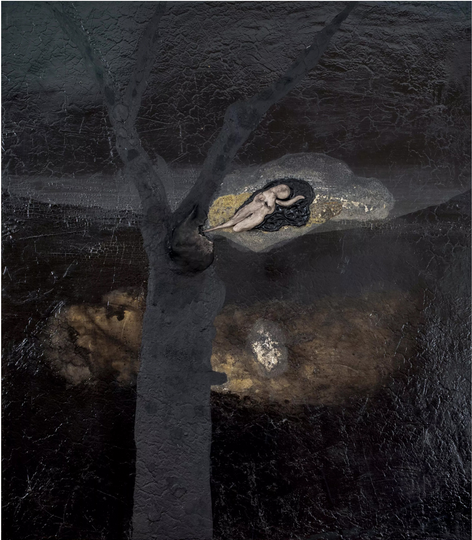
Traces of Francis Bacon on his canvases, America's repressed nightmares in his films. Every frame a painting, every scene an installation. That famous ear scene in Blue Velvet, the labyrinthine narrative in Mulholland Drive—these weren't just cinema, they were moving paintings.
Donut or Hole?
"Keep your eye on the donut, not on the hole."
This iconic phrase of Lynch's is the essence of his artistic philosophy. Not ignoring darkness, but accepting it and seeking the light beyond. Distorted faces in his paintings, fragmented narratives in his films—but at the center of all is the human condition.
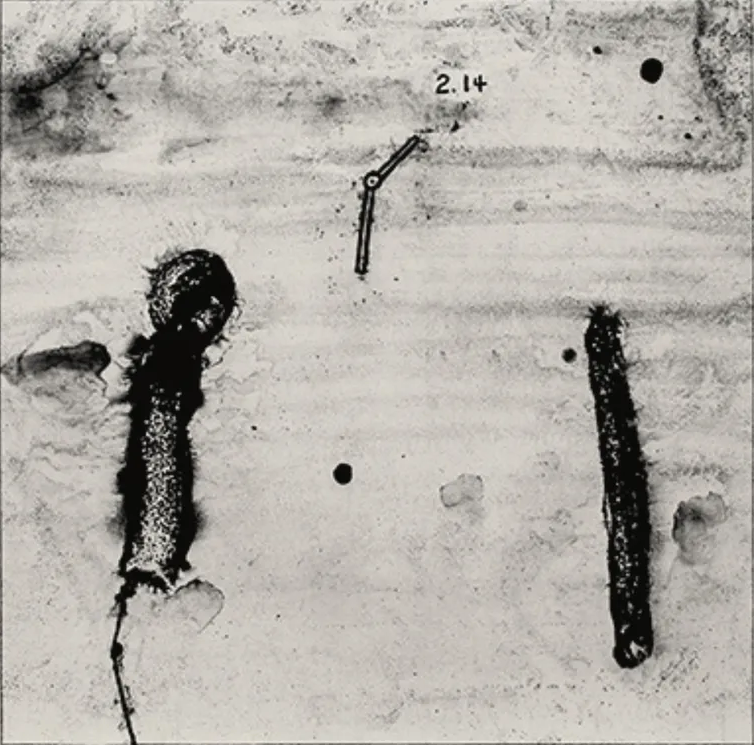
The 2019 exhibition "Squeaky Flies in the Mud" was a perfect example of this approach. Squeaking flies in mud—absurd, disturbing, but equally honest. Lynch wasn't seeking beauty, he was seeking truth. And truth doesn't always have to be beautiful.
Transcendental Creativity
Coffee, cigarettes, and transcendental meditation. Lynch's daily routine was the fuel of his creativity. "Coffee is part of artistic life," he would say. But the real fuel was the inner silence he reached through meditation.
"Transcendental meditation gives me access to a source of infinite happiness, love, and peace," he had said. This deep inner journey perhaps contrasted with his chaotic aesthetic expression—but Lynch was an artist built precisely on such paradoxes.
Lynch's Legacy with a Collecist Spirit
The most important thing Lynch taught us: Art must disturb.
Our mission as Collecist is also this—to bring to the world not comfortable, safe, "beautiful" art, but works that question, transform, and leave traces. Artists like Lynch show us that true art is not shaped by market expectations; it creates its own reality.
The twisted figures on his canvases, the mysterious women in his films, the industrial sounds in his music—they all speak the same language: Authenticity. This is the value Collecist defends. The artist's vision, unmediated, commission-free, unfiltered.
Did David Lynch die? No. The universe he created continues to expand a little more each day. It continues to live in every film watched, every painting viewed, every reality questioned.
Keep your eye on the donut, not on the hole.