
The Tragedy of Art: Money, Murder, and Human Ideals
S.Ç. Özkefeli
Lights Painted in Darkness
Hundreds of colors, glowing in the dark,
Caravaggio, lost in the depths of shadows.
Adorned saints, legacy of murder,
Souls chasing after art's agony.
Dream world comes alive on Dalí's brush,
Abstract longing drifts in reality.
Clocks melt, resting in time's prison,
Ideas wander in labyrinths of minds.
Both are reflections of life,
Darkness and light, a tragic love story.
In a single brushstroke, human truth,
Art, always a deep reverence in the heart.
The distance between Michelangelo Caravaggio's dark streets and Salvador Dalí's glittering advertising world reveals art's fundamental contradiction: Does art shape the artist, or does the artist shape art? One committed murder, the other masterfully exploited capitalism. Both became the most radical figures of their time.
This comparison asks us: Is art an individual pursuit, or a phenomenon shaped by social pressures and economic necessities?
Caravaggio: Master of Darkness
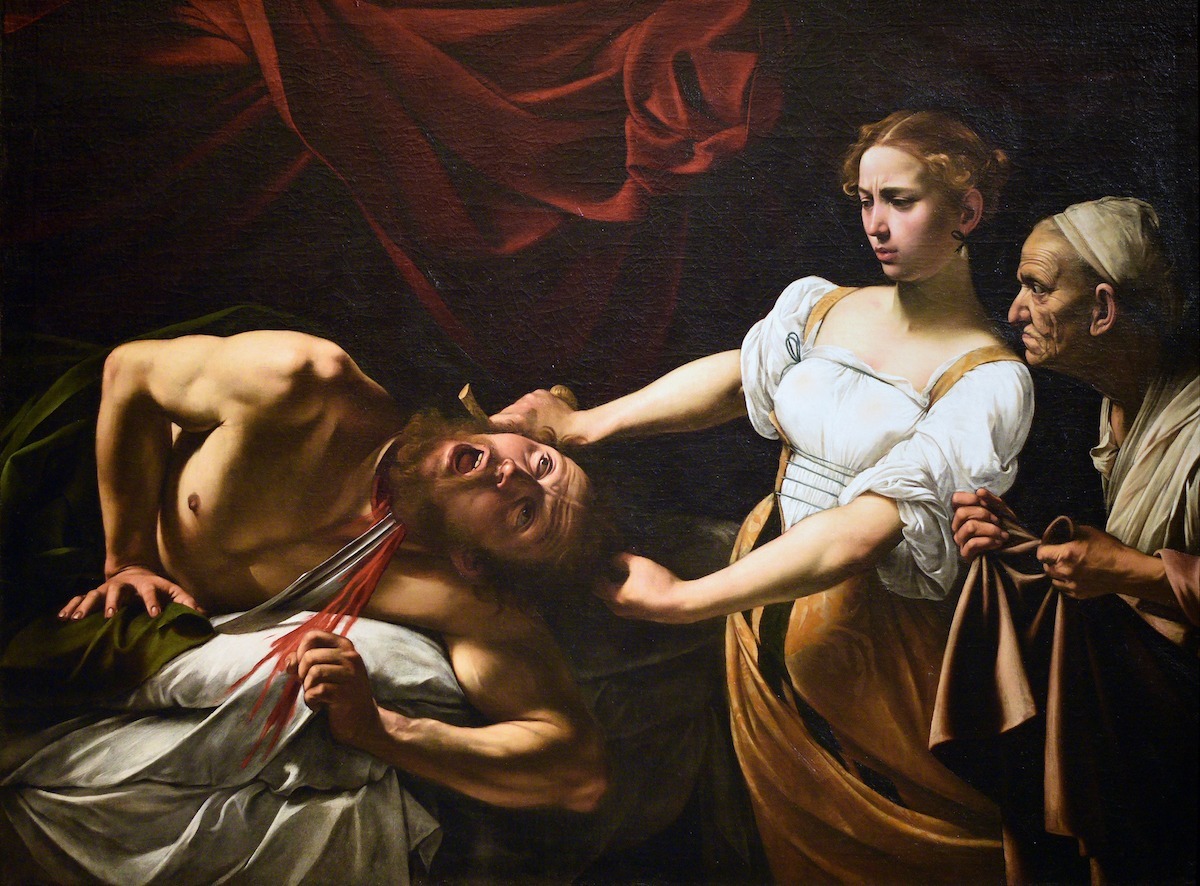
![Judith Beheading Holofernes - Caravaggio]
Galleria Nazionale d'Arte, Palazzo Barberini, Rome
Caravaggio's brush makes shadows dance with light. But his own life is darker than his works. In 1606, he kills a man in a brawl and flees Rome. He spends the last four years of his life in exile, struggling with illness and paranoia. He dies at 38.
His art is the projection of this chaos. The painting Judith Beheading Holofernes is a simultaneous explosion of fear and power. Judith's composure in the face of Holofernes's horror is almost disturbing. This is not just a painting; it's the anatomy of a state of mind.
For Caravaggio, art is neither therapy nor salvation. It is a confession. Darkness, in his brush, is not an aesthetic choice but an existential necessity.
Dalí: The Wizard of the Market
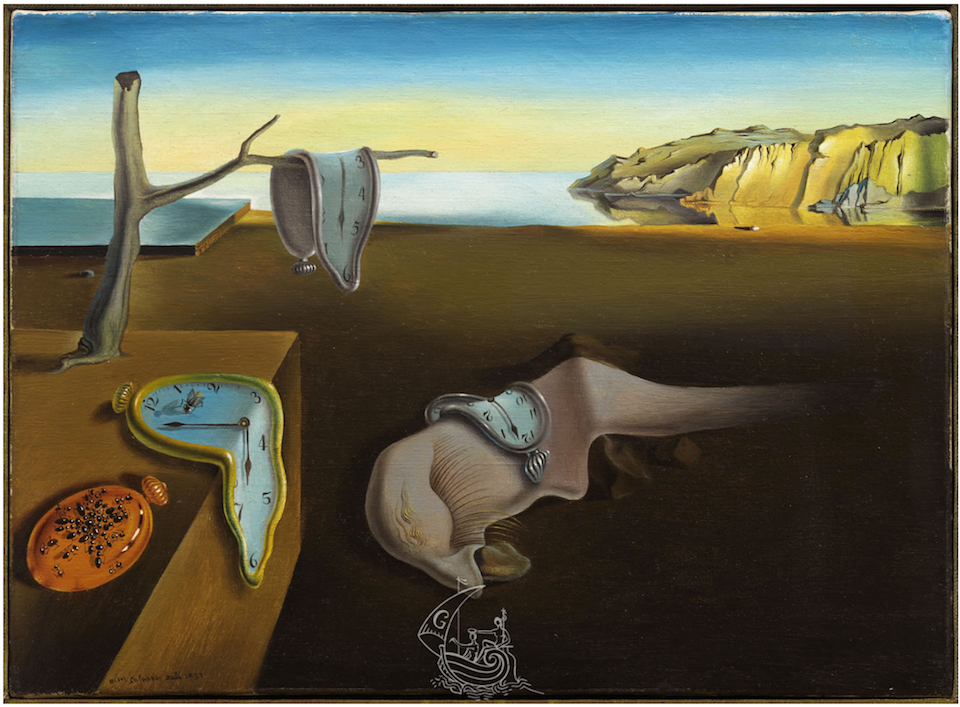
![The Persistence of Memory - Salvador Dalí]
The Museum of Modern Art, New York
Salvador Dalí plays an entirely different game. He transforms art into performance. In the astonishing world of surrealism, he twirls his mustache on magazine covers, shoots commercials, dines with the wealthy.
Dalí doesn't resist the commercialization of art; he embraces it. "The only difference is that I am a surrealist who makes money," he says. Is this a confession or a provocation? Perhaps both.
But Dalí's success comes at a cost. The art establishment brands him as "sold out." André Breton anagrammatizes his name to "Avida Dollars" (dollar hunter). Dalí doesn't care. He's more interested in pragmatism than idealism.
Does this diminish the value of his art? The melting clocks are still etched in our minds. His vision has survived despite the consumer economy.
Two Tragedies, Two Questions
Caravaggio lived and died like a tragic hero. Dalí packaged tragedy and sold it. Which is the more "real" artist?
This is the wrong question.
The right question is: Should art preserve its purity, or negotiate with the world?
Caravaggio's art comes from within but destroys him. Dalí's art is calculated but sets him free. Both are different forms of idealism's collapse.
Traces in Contemporary Art
Today, these two figures still resonate.
Street artists like Banksy carry Caravaggio's radical spirit, while names like Jeff Koons reproduce Dalí's commercial intelligence. As NFT artists sell their works to crypto millionaires, digital platforms claim to democratize art.
Art no longer lives only in museums; it lives on Instagram. A work is consumed the moment it's displayed. The like button is the new collector.
So how does the artist survive in this system? By collapsing like Caravaggio, or by playing the game like Dalí?
The Artist's Soul
The stories of both artists are also a discussion about mental health.
Caravaggio's fits of rage, Dalí's narcissistic performances—both reveal the psychological cost of art. Creativity is as much a curse as it is a gift.
Today's artists try to lighten this burden with therapy, medication, and community support. But the romantic myth remains powerful: the "suffering artist" image is a cliché the art market loves.
Perhaps the real tragedy is this: not art itself, but the artist being left alone in this system.
Conclusion: The End of Idealism?
Caravaggio and Dalí show us two faces of idealism.
One holds art above everything and perishes.
The other reconciles art with the market and survives.
Which is right? Perhaps neither.
Perhaps art's power lies somewhere between these two extremes, in an imperfect, contradictory, human space.
Art can be neither completely pure nor completely commercial. It is always a negotiation—with ourselves, with the world, with time.
And perhaps that's why, centuries later, Caravaggio's shadows and Dalí's clocks still gaze back at us.
© Image Rights:
· Judith Beheading Holofernes – Caravaggio, Galleria Nazionale d'Arte, Palazzo Barberini, Rome
· The Persistence of Memory – Salvador Dalí, Fundació Gala-Salvador Dalí / MoMA, New York
Author's Note:
This text is not an essay on art history, but an inquiry into being an artist. It prefers to ask questions rather than provide answers. Because art has always existed through questions more than answers.