
Erkan Özdilek: From Ember to Book, The Trace of Fifty Years
2026-03-03 – 2026-04-02
COLLECIST · CONTEMPORARY ART
Erkan Özdilek: From Ember to Book, The Trace of Fifty Years
The three-volume publication transforms the memory of half a century's production into documentation.
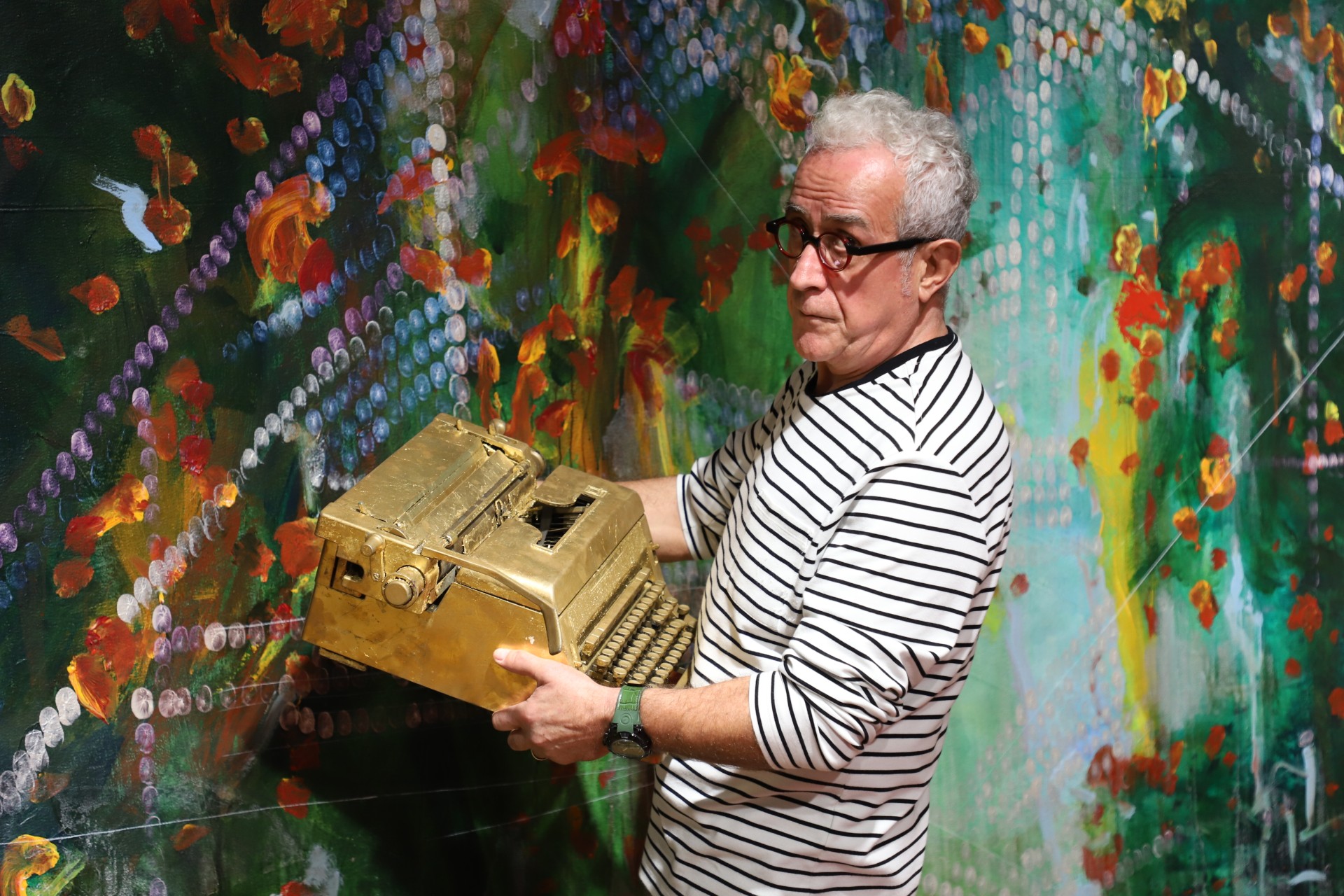
When you enter Erkan Özdilek's workshop, the first thing you notice is not the large-scale papers stretched on the walls; it's the paint traces on the ground, the dry leaves in a corner, stones and organic findings. This place resembles a forest of thought more than a workshop, like Umberto Eco's narrative forests, a place where getting lost is not a mistake but the experience itself.
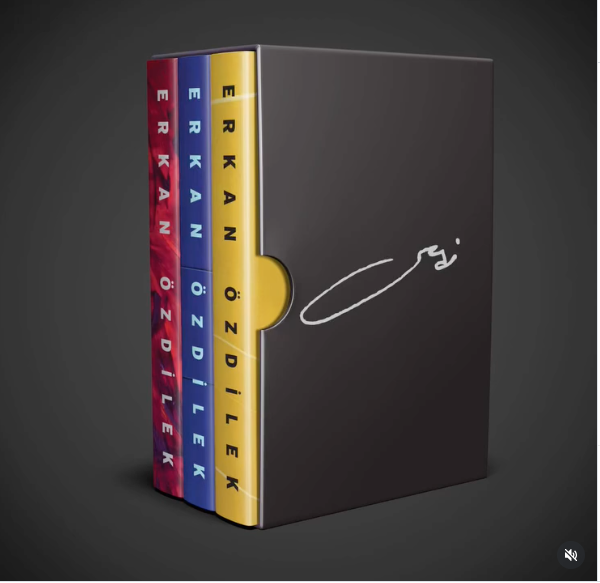
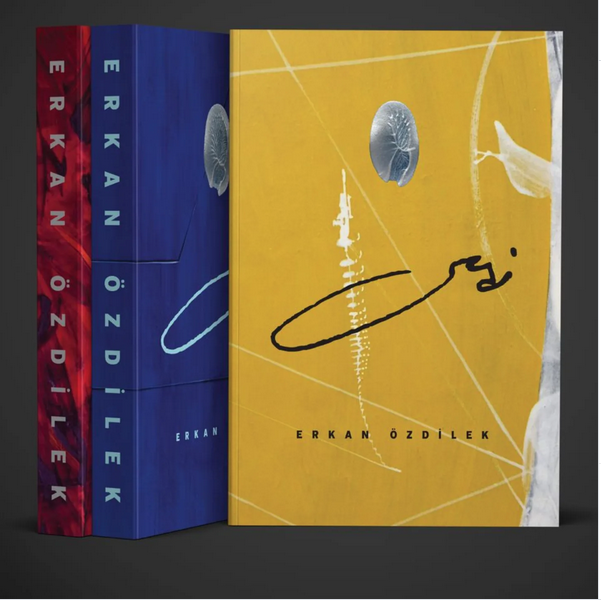
Now the fifty-year map of that forest comes together in a three-volume book. The work, prepared with the design of Ali Can Metin and published with the contributions of Halkbank, presents paintings, drawings and site-specific installations spanning from the 1980s to today together. A portion of the sales revenue will be donated for the education of girls.
However, what distinguishes this book from an ordinary retrospective is that Özdilek's art is not only visual but intellectual production. The artist works with the concept he calls "im": not a sign, but a trace that exists within itself, an energy remnant. Close to Derrida's concept of trace but more bodily, more material. The line on paper does not represent something; it exists on its own.
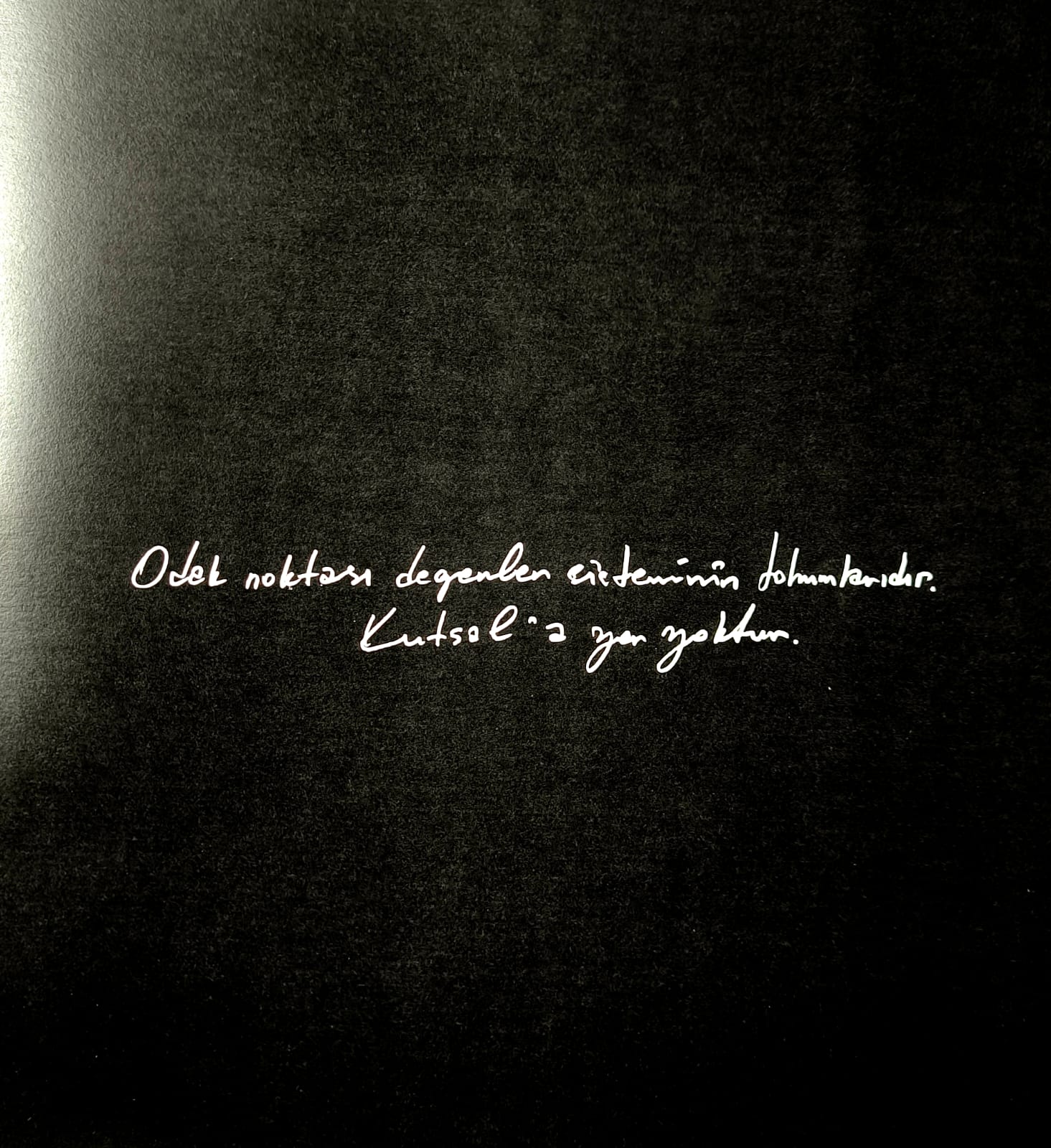
This universe of thought is nourished by a wide philosophical geography extending from Aristoteles to Deleuze, from Foucault to Heraklitos. Özdilek says in his notes that "language and writing should produce a series of documents, not communication objects." The three-volume publication does exactly this: beyond communication, it produces a permanent document.
In the book, art historian Berna Demirhan defines Özdilek's art as "an experiential field where images gain meaning and senses are kneaded with consciousness." Prof. Dr. Marcus Graf, on the other hand, positions the artist outside fashionable movements: a producer who has developed his own aesthetic and conceptual language for over thirty years without adhering to popular trends.
In Özdilek's world, "ember" is a central image. The remnant of the big bang, both light and burn, both beginning and trace. The artist does not try to represent it; only to make its heat felt. Since his first installation in Hagia Sophia 300×400 cm handmade paper pulp and three red canvases he believes that space calls the artist. He has lived Foucault's concept of heterotopia: sacred and secular, past and present side by side in the same space.
As Collecist, we closely follow Özdilek's works. His response to the question "When does an artist know that he has said what he had to say?" in workshop conversations is like a summary of this fifty-year journey: "He doesn't know. In fact, he shouldn't know. If he knew, would he stop?"
The three-volume publication is the most comprehensive map of this non-stopping journey so far. Not a retrospective, but a document. In Özdilek's own words: "When the seed falls to the ground, don't worry. This is not a note. It's a program."
© Collecist