
We Live in a Dead Painter's Frame.
Hopper's Silent Revenge
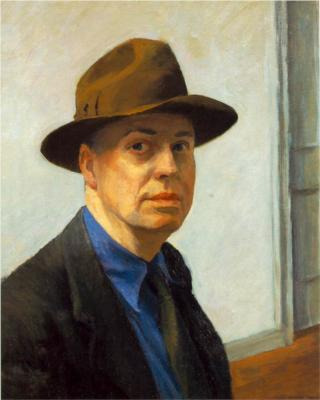
May 15, 1967 — Edward Hopper died at age 84 in his studio in New York. Few people came to his funeral. That day in America, everyone was talking about Warhol.
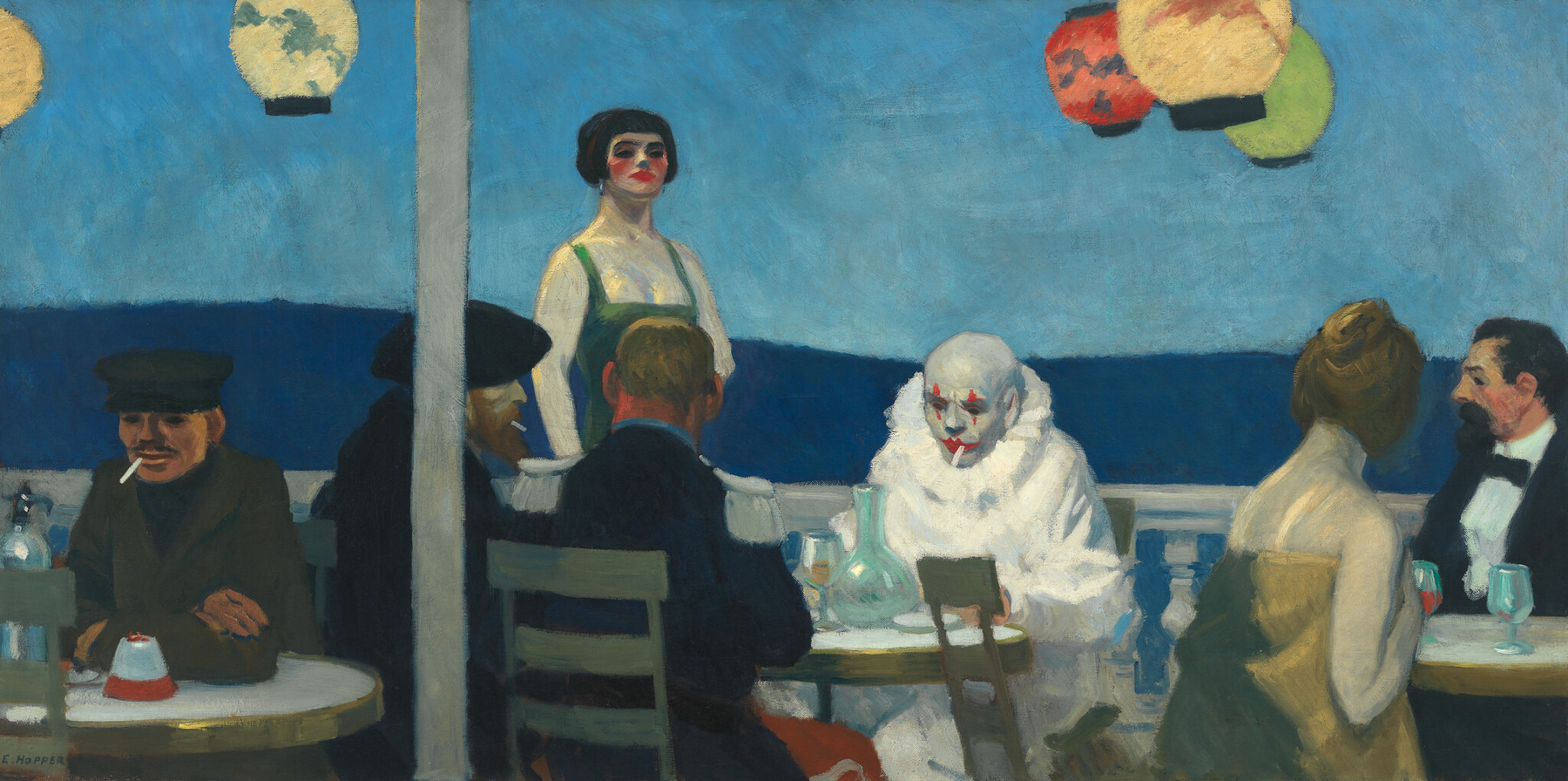
When Hopper died, the art world was already looking elsewhere. Pop Art had filled the galleries, minimalism had taken over museum walls, and conceptual art was preparing to declare "painting is dead." The death of a figurative painter who, moreover, had never belonged to any movement throughout his life, never signed a manifesto, and refused to even consider himself an "American painter," was a small footnote in the noise of 1967.
Yet the person who died that day was the man who had silently established the visual language of the next sixty years.
He didn't paint, he framed
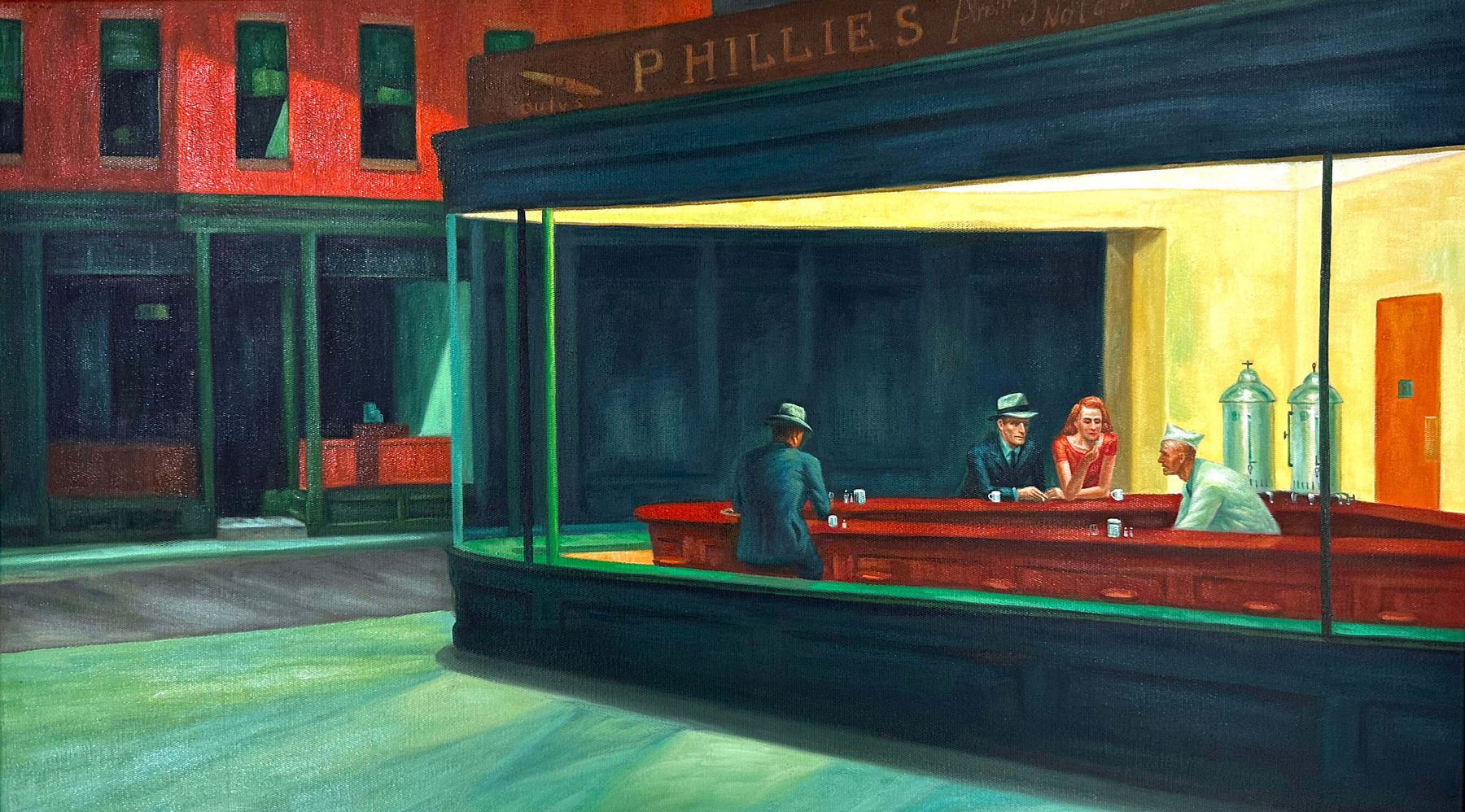
What Hopper did was technically painting, but its operation was cinema. Look at Nighthawks (1942): the camera is outside, behind the glass storefront. The four figures inside are not looking at each other. It's unclear whether the narrative has begun or ended. The viewer is dropped not into the middle of the event, but to its edge. This is the grammar of modern cinema, not classical painting.
Hitchcock confessed to taking Psycho's motel from Hopper's House by the Railroad (1925). Wim Wenders said, "Hopper taught me how to leave the frame empty." Lynch, Hartley, Jarmusch, Edward Yang all drank from the same silent heritage. Today, when you watch a neon-lit diner scene in a Netflix series, you're actually watching a Hopper reference. You don't even need to see it; it's become so internalized.
A painting practice where the image remains ambiguous and the narrative is transferred to the viewer is almost a century-old prototype of what we call the Image in the Age of Uncertainty.
He wasn't ashamed of his illustration work, but he escaped from it
The less-discussed aspect of the matter is this: Hopper spent the first twenty years of his life as a commercial illustrator. Magazine covers, hotel brochures, boring advertising work. He couldn't sell paintings. He opened his first solo exhibition at age 41. His first real sale came in his mid-forties.
Today a Hopper painting sells for 90 million dollars at auction. Chop Suey (1929) went for exactly this amount in 2018 the record broken at that time for any modernist American painting. Hopper didn't see this. If he had, he probably wouldn't have said a word; throughout his life, the sentence he used most in interviews was "no comment."
There's a bitter paradox here: the artist's finding his worth in the market most often happens after the artist himself is gone. The intermediary chain of commissions, agents, galleries, auctions none of these touched Hopper's own bread. He lived on illustration money and waited for painting.
A note from 1967 to 2026
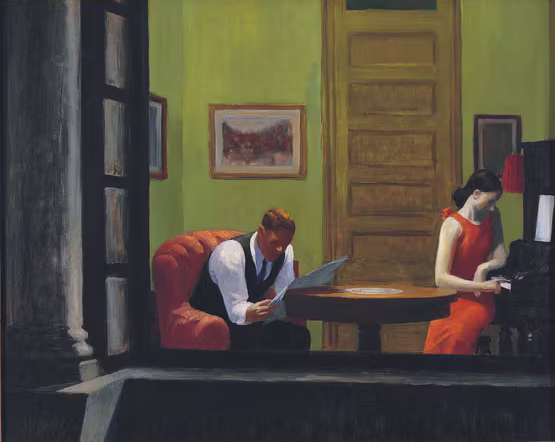
When Hopper died, he wasn't fashionable. Today he still isn't and precisely because of this, he's everywhere. Pop Art's colorful noise has died down, most of conceptual art's gestures are not remembered, but that empty hotel room is still standing there. Because Hopper worked not for a movement, but for a feeling: modern man's ability to be in the same space while remaining alone at the same time.
Post-pandemic everyone looking at their phones in cafes, remote workers' empty office photos, the Instagram aesthetics of gas stations open at midnight all live within a frame that Hopper had already drawn.
On May 15, 1967, there was a small funeral. And art history's most patient revenge began silently that day.
Collecist, From History to Today, No:#01