
"Is it Emin or Munch, Or Is It The Same Scream?"
Can two artists touch the same wound a century apart?
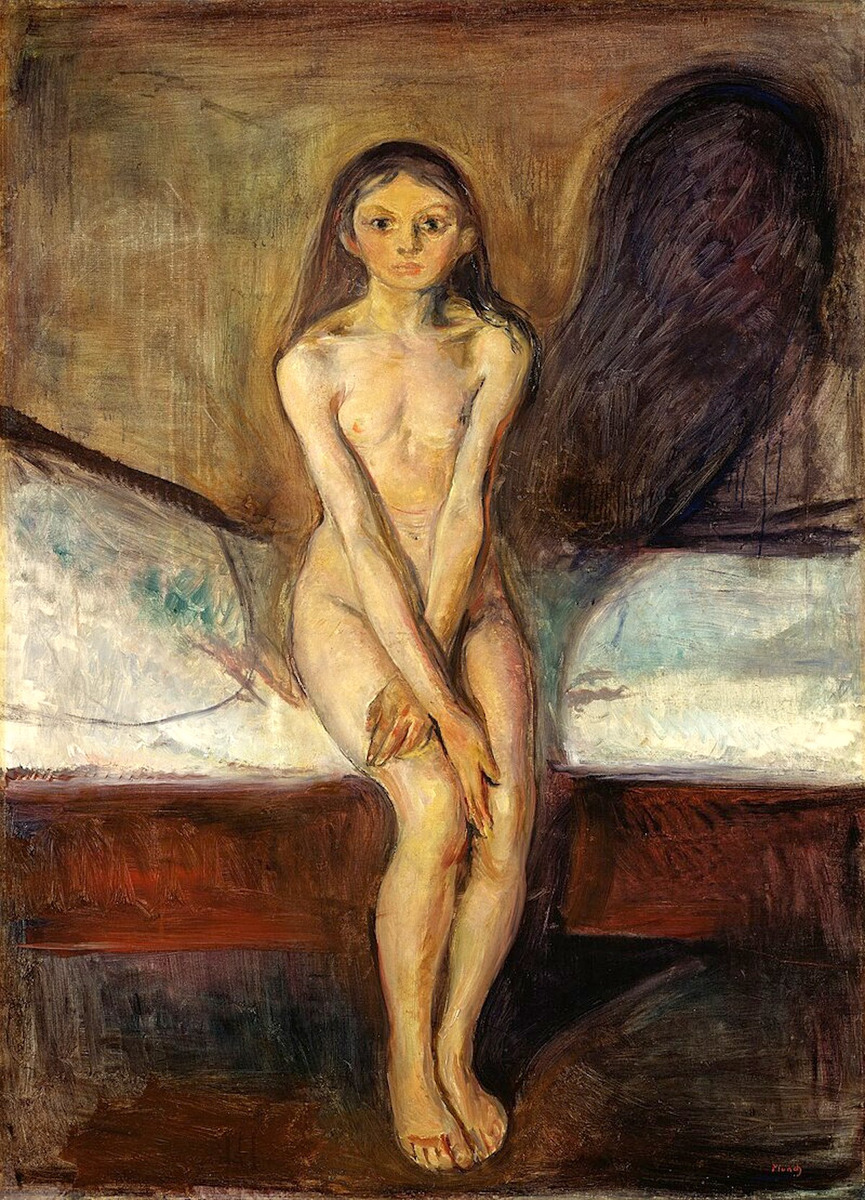
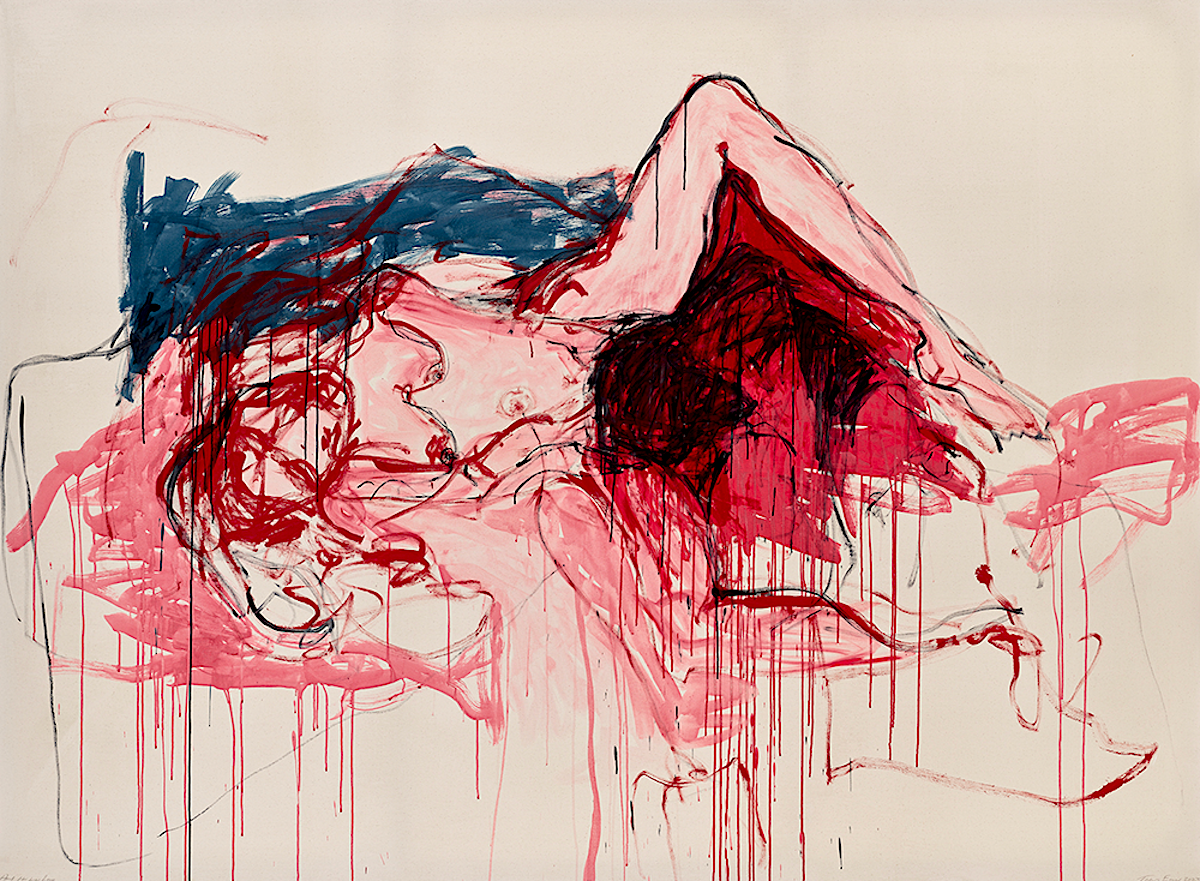
There are some artists who make you uncomfortable when you look at their works. You want to look away but you can't. Tracey Emin and Edvard Munch create exactly this effect one from the cold fjords of Norway at the beginning of the twentieth century, the other from twenty-first century London. There's more than a century between them, but they're both doing the same thing: pouring their insides out. And without any filtering whatsoever.
Munch's Scream, Emin's Bed
Everyone knows Munch's "The Scream." That reddish sky, those undulating lines, that figure with its mouth open. But Munch's true genius lies not in visualizing anxiety but in making it contagious. Everyone who looks at the painting hears that scream. The body trembles. This is an experience beyond painting.
Emin does this in another language. In "My Bed," the work for which she was nominated for the Turner Prize in 1998, she moved her actual bed along with underwear, cigarette butts, empty bottles and crumpled sheets into the gallery space. Here there are neither brush strokes nor a color palette. Just naked reality. And just like Munch's "The Scream," it draws the viewer into that moment.
Both refuse ornamentation. Both turn the expectation of "beautiful art" on its head. And both make the viewer think by making them uncomfortable.
Sexuality: Attraction or Destruction?
Munch's "Madonna" painting is an image that both sanctifies and makes sexuality dangerous. The female figure is presented with a title borrowed from Christian iconography, but her body language is entirely worldly her eyes closed, hair disheveled, her expression carrying both pleasure and pain. Here Munch transforms sexuality from being a simple object of desire into an existential experience.
Emin uses sexuality as autobiographical material. In her tent work titled "Everyone I Have Ever Slept With 1963–1995," she embroidered the names of everyone she had shared a bed with from birth to age thirty-two including lovers, family members, childhood friends on the inner surface of the tent. The title is deliberately provocative: the verb "to sleep" suggests sexual connotation, but the work goes far beyond that. Emin maps out intimacy, closeness, and vulnerability here.
Both artists remove sexuality from being taboo and place it at the center of human experience. But in doing so, they neither romanticize nor exploit it. Instead, they simultaneously show the fragility, power, and contradiction within sexuality.
The Spirit of Time, The Artist's Body
When we place these two artists side by side, we can read not only their thematic similarities but also the spirit of their times.
Munch produced in late nineteenth-century Europe. Industrialization was gaining speed, cities were growing, and the individual was getting lost in the crowd. While family losses, illness, and poverty shaped Munch's personal history, the social transformations of the period also permeated his works. His melancholy is as collective as it is individual it draws a portrait of modern man's alienation.
Emin is the artist of late capitalism, the cult of individualism, and the pre-social media age of confession. Her entry into the art world as a woman from the British working class is a challenge in itself. The bold personality in her works aligns with the period's "tell your own story" ideology, but Emin refuses to transform this into a marketable narrative. Her pain remains raw, unpolished and unorganized.
Fear and Anxiety: A Primitive Language
Emin's 2019 neon work "I Am The Last of My Kind" is one of the artist's most plain expressions. This sentence written in glowing letters carries both a personal confession and a species anxiety. Here Emin doesn't attach fear and anxiety to a specific cause she presents them as fundamental states of being human.
Munch did this too. We cannot know why the figure in "The Scream" is screaming. Is there a war, a loss, or just the weight of existing? Munch doesn't give us a reason because anxiety doesn't need a reason. It already exists in the depths of body and mind.
This is the strongest thread connecting Emin and Munch: both don't explain emotion, they make you experience it. There is no thesis in their art, there is feeling. And this feeling strikes with the same intensity even a century later.
The works of these two artists remind us of this: art doesn't have to produce beauty. Sometimes the most powerful art is the hardest to look at.