
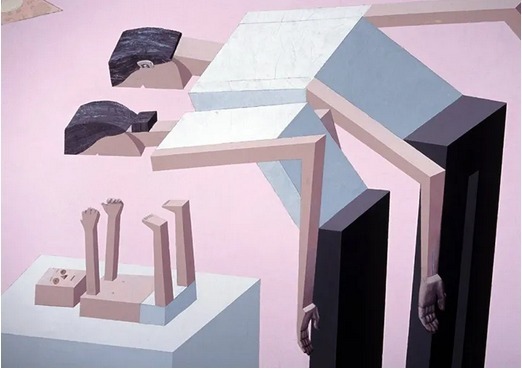
Was this made with a computer? We thought it was digital art, but turns out he was drawing in the 1960s: Mernet Larsen
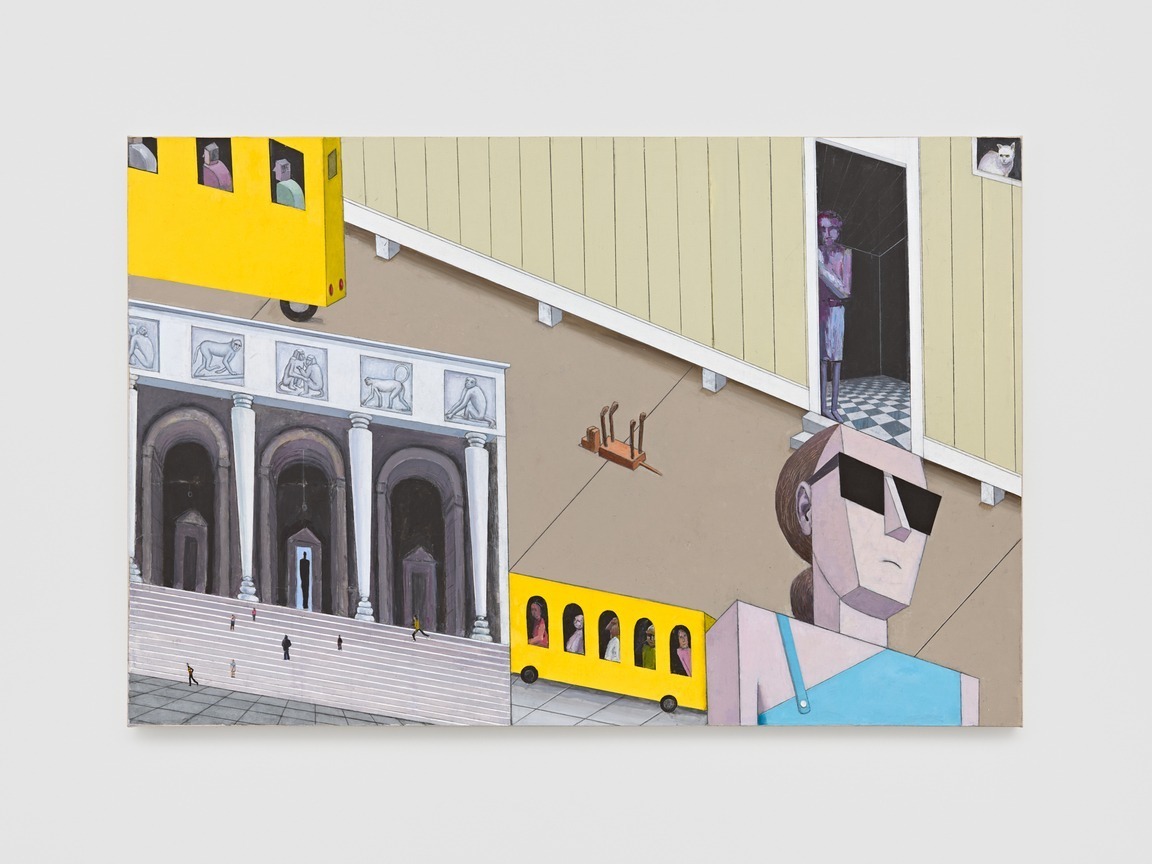
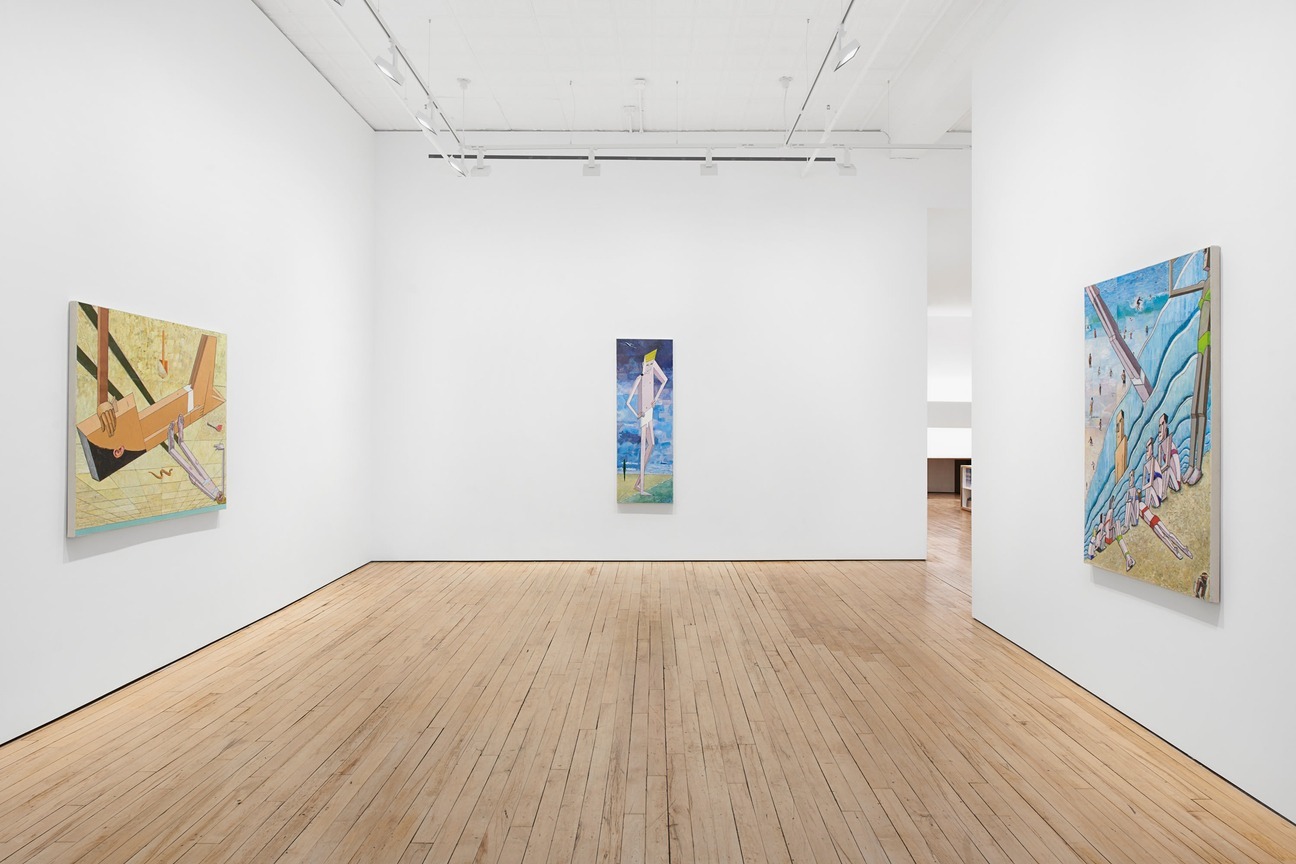
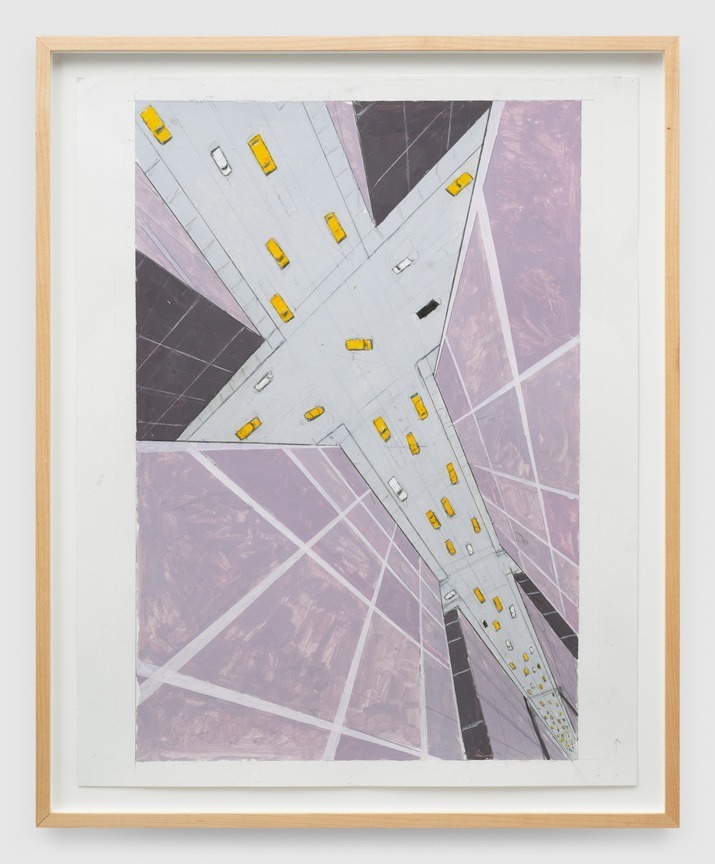
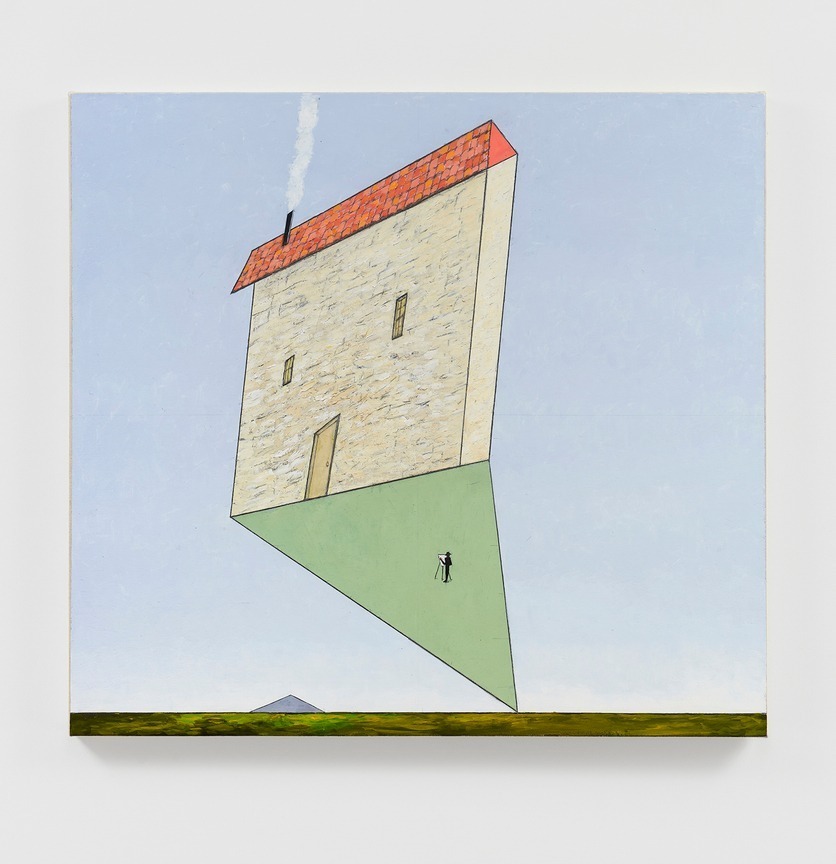
Everyone who looks at Mernet Larsen's paintings asks this question. Block-like figures, flattened perspective, pixelated colors... They seem to belong to the 2020s.
Answer: No. And more interestingly, these paintings have been made since the 1960s.
86-year-old Larsen describes herself as a "technology skeptic." Without touching a computer, she has been producing works that anticipate digital aesthetics for 50 years. The secret is simple: What computers do is not entirely new. Humanity has been searching for ways to transfer 3 dimensions to 2 dimensions for thousands of years. Larsen simply synthesized this historical accumulation—waited until the digital age came and understood her.
A Language Born from a Boring Car
In 1969, sitting inside her car, she thought: If I'm inside it but also want to show the whole thing, what should I do? She drew the solution from the reflection of the teapot in her lap. Distortion, car, trees. A completely ordinary scene but constructed with a completely different logic.
Since that day, Larsen has been solving puzzles. She's interested in perspective systems, not emotional outbursts. Renaissance vanishing point, parallel perspective of Japanese architectural drawings, intersecting planes of Russian Suprematists - she applies all of them to modern life.
When she applied for an academic position in the 1970s, the school in Oklahoma told her: "We hired you only because we thought you were male." They thought Mernet was a male name.
When an offer came from the University of Florida, she accepted. She became the first female art academic in the state. As the only woman in her department, she was constantly assigned to teach art history classes, not studio courses. One day she entered a faculty meeting with a fake mustache. No one noticed.
She was now far from New York's rat race. But this had never suited her anyway.
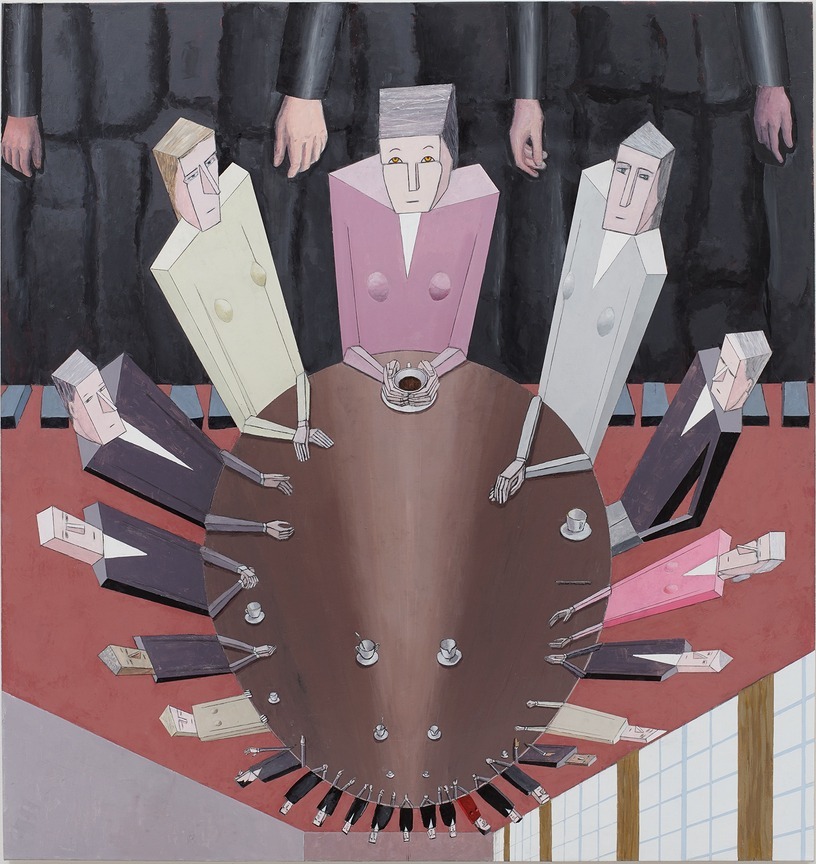
Meeting Table = Revolution
The real breakthrough came in her 70s, during a boring faculty meeting. "Why has no one ever painted a faculty meeting?" she thought. Then: "What if I were the vanishing point?" In classical perspective, what's near is large, what's far is small. Larsen reversed it. Taking Notes (2004): Figures approaching the viewer are small. Illogical but consistent. Committee (2007): The U-shaped table forced the space, so she opened it up. The floor also became the ceiling. Tiles are both near and far. Not natural but completely rational.
Working with the Dead
Larsen doesn't work alone. There's Cézanne, there's El Lissitzky, there are 12th-century Japanese architects.
A book she received from a Buddhist monk in Kyoto in 1985 became the source for dozens of her paintings. But she doesn't quote - she uses source compositions like "Rorschach tests." She flips them upside down, turns them sideways, lets the subconscious fill in.
Solar System Explained (2020): A waiter holds wine glasses looking down at his feet. But in the viewer's eye, the glasses stand upright, the wine doesn't spill.
Bunt (2016): A baseball player holds a bat. He has no arms. You don't notice until it's pointed out.
"If at some point I'm not laughing at my painting, there's a problem," she says.
Her first commercial gallery exhibition opened in 2011, in her 70s. 2016 at James Cohan Gallery. 2019 in museums. Critic Mario Naves initially called it "completely kitsch." Then he saw the exhibition: "Astonishing originality." Young painters thought her figures were avatars. Digital artists like Avery Singer followed in her footsteps without knowing she had built this language 50 years earlier without using computers.
When asked "How does it feel to be recognized late?" she said "Great!" Then added: "We looked down on careerism. We hated Picasso - we saw him as a fraudster who sold napkins and made millions." She worked not for the moment, but for permanence. Art history had taught her: What is sharp is never immediately understood.
Mernet Larsen is the very thing Collecist advocates: Context, not visibility. Depth, not speed. Process, not result.
She waited 50 years. The world caught up to her.
Some languages require time. If Larsen's paintings seem "contemporary" today, it's not because she adapted to the age, but because the age finally understood her.