
Pretentious innocence
TR
modern Icon
$ 2,000
mehmet pirhan avşaroğlu' More From
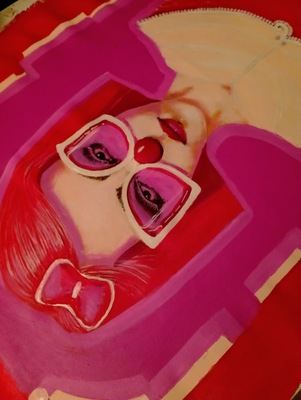
Assertive innocence..
50 x 70 x cm
mehmet pirhan avşaroğlu
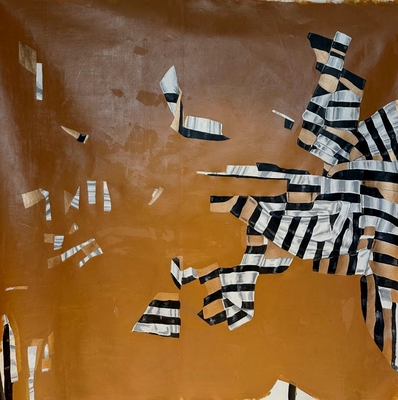
holographic lines..
140 x 140 x cm
mehmet pirhan avşaroğlu
$ 1,600
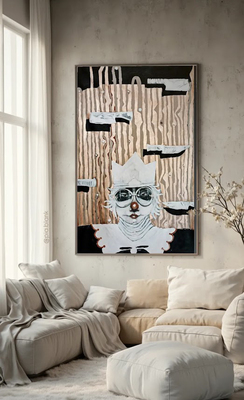
Bureaucrat Chef..
70 x 120 x cm
mehmet pirhan avşaroğlu
$ 1,600
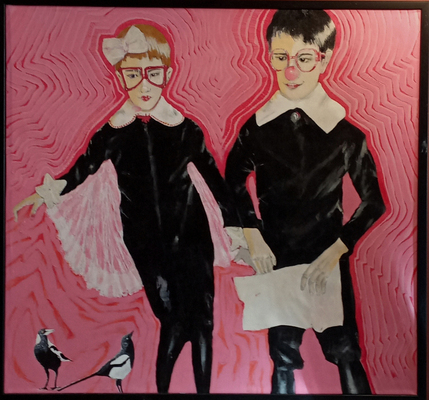
Happy Blissful..
70 x 60 x cm
mehmet pirhan avşaroğlu
$ 1,600
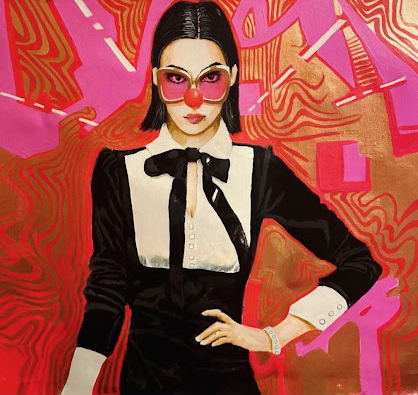
Assertive innocence..
70 x 70 x cm
mehmet pirhan avşaroğlu
$ 2,000
ASSERTIVE INNOCENCE
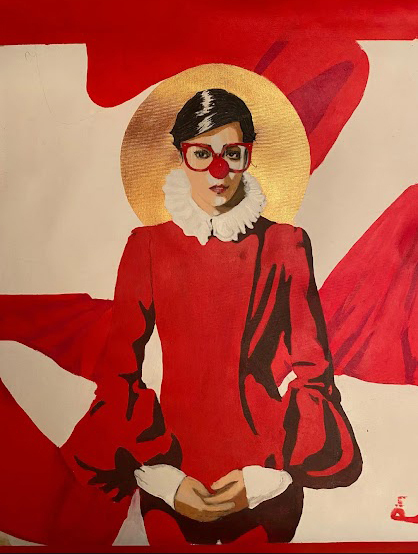
In this series, the figures do not represent a specific person; they represent the different moods and identity layers of characters formed in the artist's mind. Each figure is conceived as a portrait that makes visible the tension between the individual's inner world and the image they present to the outer world.
The relationship the figures establish with the viewer occurs through direct gaze. In the classical painting tradition, figures often turn not to the point the viewer is looking at, but to another direction within the painting. In this series, however, the figure makes eye contact with the viewer. Thus, the painting ceases to be a one-sided image and a mutual relationship is formed between the viewer and the figure.
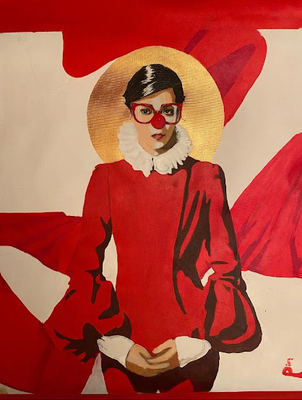
The bronze gilt aura used in the series carries a reference reminiscent of the light halos in Byzantine iconography. However, here the aura is conceived not so much as representing sanctity, but as a layer that makes visible the figure's mood and psychological field. The order or fragmentation of the lines in the aura points to the figure's inner world. Figures with more orderly auras represent the states in which the individual sees themselves or wants to be seen, while in figures with more scattered auras, the movement of mood and internal fluctuations come to the fore.
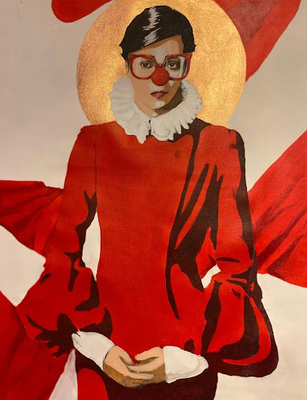
The posture of the figures is also a conscious choice. Instead of relaxed and casual poses, a more pronounced and controlled body language has been used. This posture implies the figure's state of existing and showing themselves before the viewer. Clothing is an important part of this narrative. When creating the costumes of the figures, the artist takes references from the fashion world; however, these choices are made not only to create an aesthetic style, but to establish an intellectual background. Fashion here becomes a language that carries the figure's identity and way of presenting themselves, rather than a temporary trend.
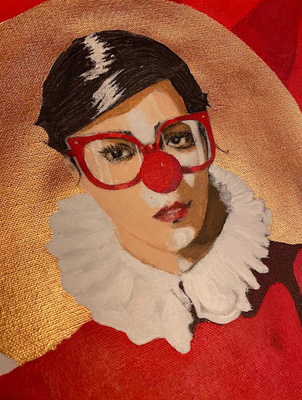
The clown nose and large glasses featured in the figures in the series are used not as an aesthetic convenience, but as a conscious difficulty. These elements are details that would normally hide the grace and expression of a face. However, the artist prefers to construct the figure precisely within these obstacles.
The aim is to present the figure not through perfect beauty, but as an impressive and powerful presence despite these interventions. Thus, the figure derives its aesthetic effect not from embellishments, but from its gaze and posture.
These small interventions also create an ironic tension in the painting. The controlled world of fashion aesthetics meets the playfulness of the clown on the same face. The figure, within these contradictions, both maintains its appeal and establishes a direct relationship with the viewer.
A S S E R T I V E I N N O C E N C E
In this series, rather than representing a specific person, the figures make visible the tension between the individual's inner world and the image they present to the outer world. The figures make direct eye contact with the viewer; thus the painting ceases to be a one-sided image and a mutual relationship is formed between the viewer and the figure.
The bronze gilt aura around the figures references the light halos in Byzantine iconography. However, here the aura represents not sanctity, but the figure's mood and psychological field. The order or fragmentation of the lines in the aura implies the balance or fluctuation in the figure's inner world.
The clothing in the series carries references from the fashion world. However, these choices are used not only to create an aesthetic style, but to express the figure's identity and way of presenting themselves. Posture, gaze and costume work together to make the figure appear like a character who has taken the stage.
The clown nose and large glasses featured in the figures are not an aesthetic convenience, but a conscious difficulty. Although these elements are details that would normally hide the expression of the face, the figure is constructed within these obstacles. The aim is not perfect beauty, but to create a powerful and impressive presence despite these interventions.
Similar Artworks
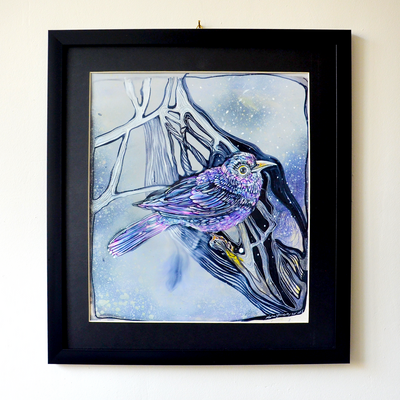
Purple | Framed Orig..
x x cm
Merve Gürlek
₺ 5,800
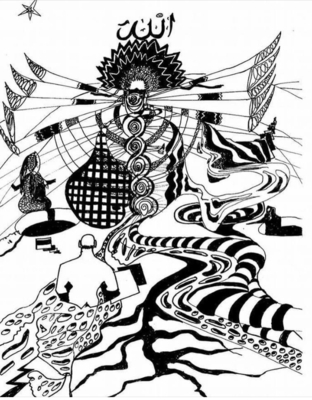
The Chakra..
21 x 29.7 x 0.01 cm
Erol Yıldırım
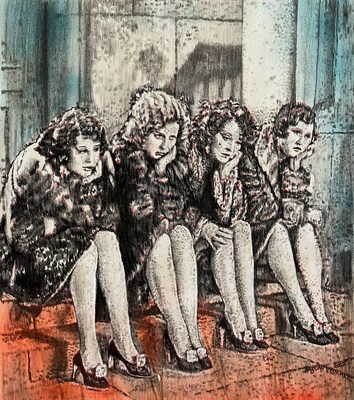
"The Wild Party" ..
59 x 70 x 3 cm
Handan Korkmaz
$ 2,000
Dance of the Porcela..
80 x 80 x 3 cm
Gülay Yur Ünaldı
₺ 30,000
Forgotten faces..
21 x 29.7 x 0.01 cm
Erol Yıldırım