
Wrong Place
TR
₺ 35,000
Barış Gülen' More From
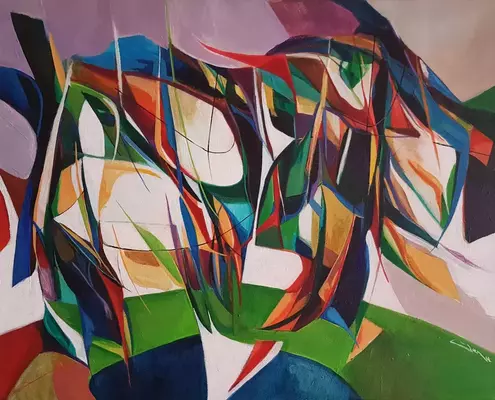
Imaginary Forest..
80 x 60 x cm
Barış Gülen
₺ 125,000
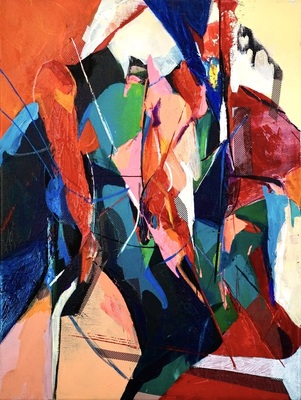
Variable Idea..
50 x 40 x cm
Barış Gülen
₺ 95,000
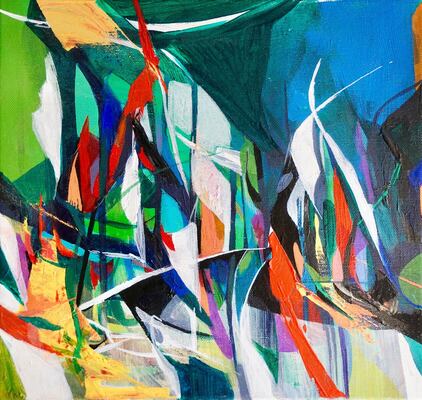
Submission..
30.5 x 40.5 x cm
Barış Gülen
₺ 70,000
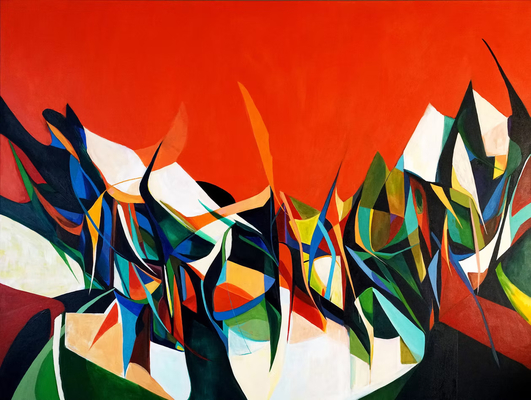
Sleepless Dreams..
30 x 30 x cm
Barış Gülen
₺ 35,000
Daily Activity..
149.5 x 114.5 x cm
Barış Gülen
₺ 275,000
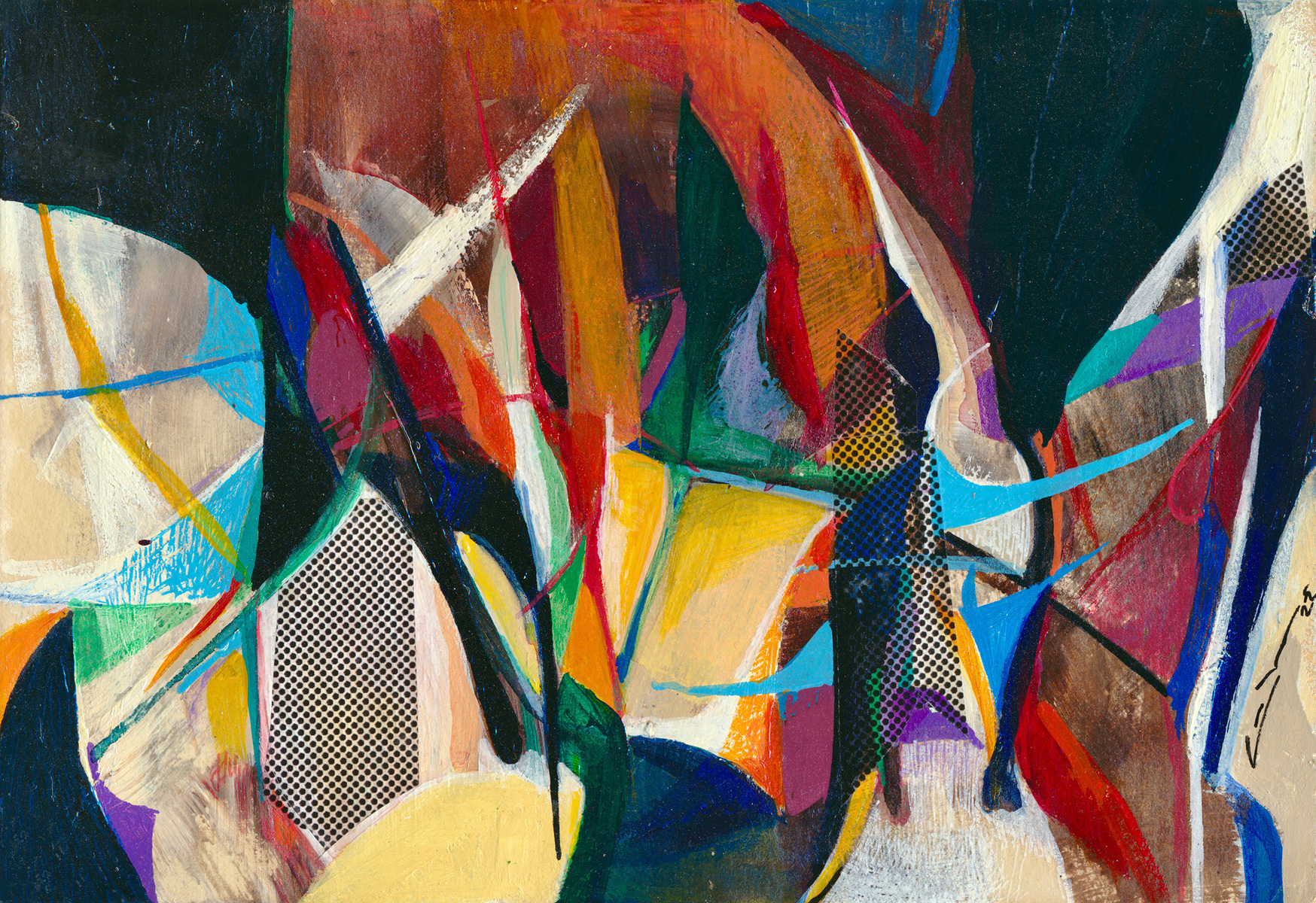
Wrong Place is a composition produced in 2022 using mixed media and acrylic, measuring 21.5×14.5 cm, containing a great existential tension within its small format.
The title establishes a deeply familiar feeling with two words. Being in the wrong place; that strange sense of incompatibility you feel in the space you occupy, in a relationship, in a moment, or in life. Neither fully outside nor fully inside, neither completely a stranger nor completely belonging. This work is the visual translation of that feeling.
The overall structure of the composition formally carries this incompatibility as well. The tension between the soft, rounded, and calm beige-cream areas on the left and the hard, sharp, and fiery red-orange forms on the upper right narrates the forced coexistence of two different worlds on the same surface. These two languages do not understand each other; they have come together side by side but have not been able to merge. This is precisely the essence of being in the wrong place.
The sharp, pointed forms shooting upward from the center — in shades of red, orange, yellow, and green — symbolize an impulse to escape, a desire to move away from where one is. These forms rise by breaking away from the round, stable areas below, as if crying out that they do not belong to the ground. Yet this ascent is not entirely free either; the dark areas surrounding them compress and pull them back.
Halftone dot textures occupy a particularly meaningful position in this work. These print areas, located in the lower left and right center, point to the mediated and social dimension of being in the wrong place. Patterns, expectations, and codes — these too are parts of a wrong place. The turquoise and blue curves flow like a thin line of freedom amid all this tension; perhaps traces of a way out, or perhaps simply traces of a breath.
The contrast between the calm yellow and beige tones of the circular form in the left corner and the purple and brown on the right summarizes the endless oscillation between belonging and alienation. No area is fully at peace; every form presses against the boundary of another.
Wrong Place presents incompatibility not as a tragedy, but as an honest state of existence. The work does not judge that unsettling feeling; it makes it visible, and in doing so, does not leave those who carry it alone. Because feeling in the wrong place is, in the end, an experience that belongs to human nature — universal and shared.
Similar Artworks
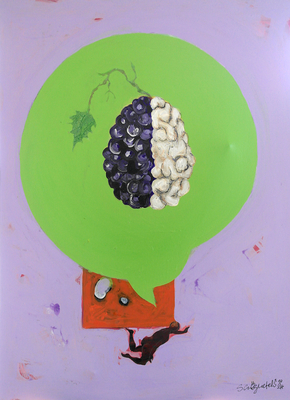
feelings-004..
40 x 60 x 3 cm
Sadık Çağatay Özkefeli
₺ 14,000
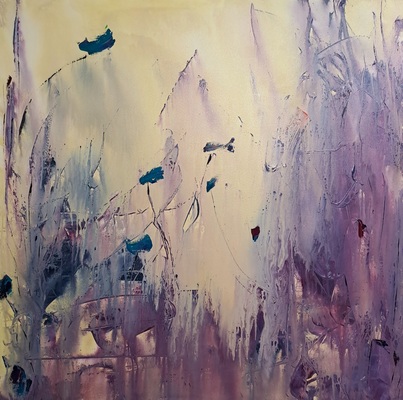
In the Depths..
100 x 100 x cm
Göknil Sarıoğlan
₺ 30,000
Imaginary Forest..
80 x 60 x cm
Barış Gülen
₺ 125,000
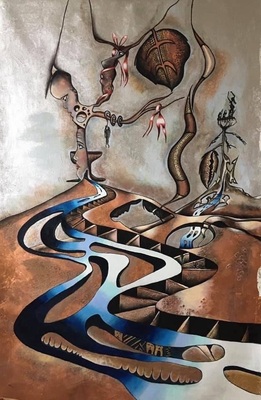
If I were a wish on ..
85 x 125 x 5 cm
Erol Yıldırım
€ 8,500
Variable Idea..
50 x 40 x cm
Barış Gülen
₺ 95,000