
What an Old Photograph Reminds Us Of
TR
₺ 35,000
Barış Gülen' More From

Cross-Section of Mot..
50 x 50 x cm
Barış Gülen
₺ 80,000
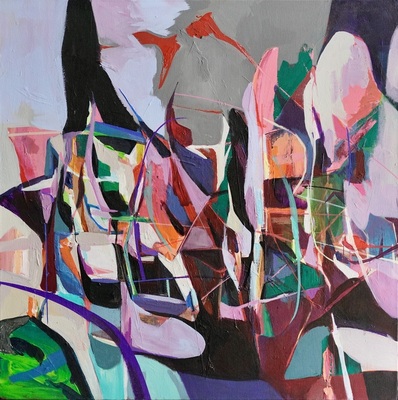
Fragmented Time..
60 x 60 x cm
Barış Gülen
₺ 50,000
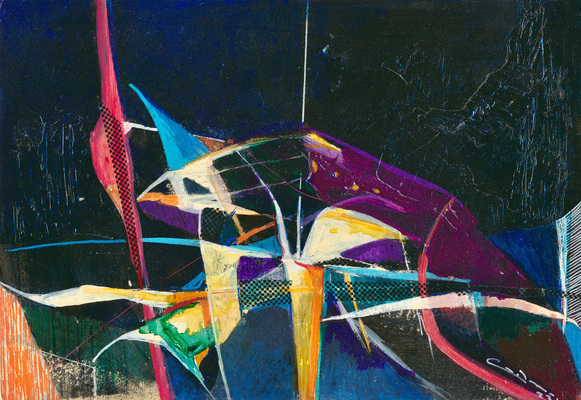
I'm Happy in My Shel..
21.5 x 14.5 x cm
Barış Gülen
₺ 20,000
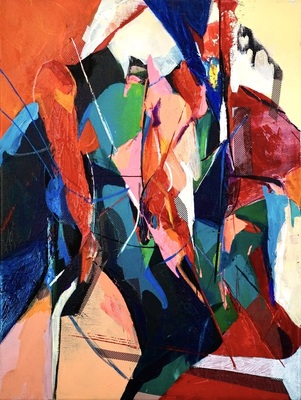
Submission..
30.5 x 40.5 x cm
Barış Gülen
₺ 70,000
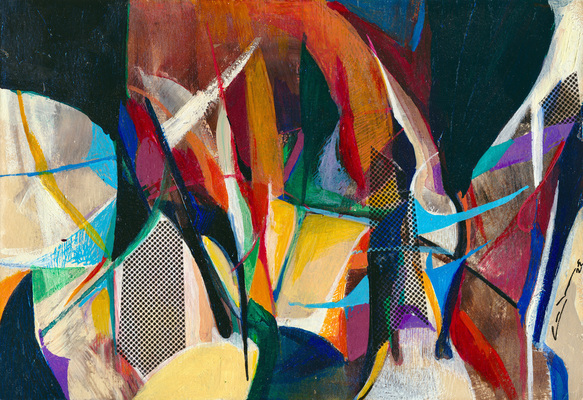
Wrong Place..
21.5 x 14.5 x cm
Barış Gülen
₺ 35,000
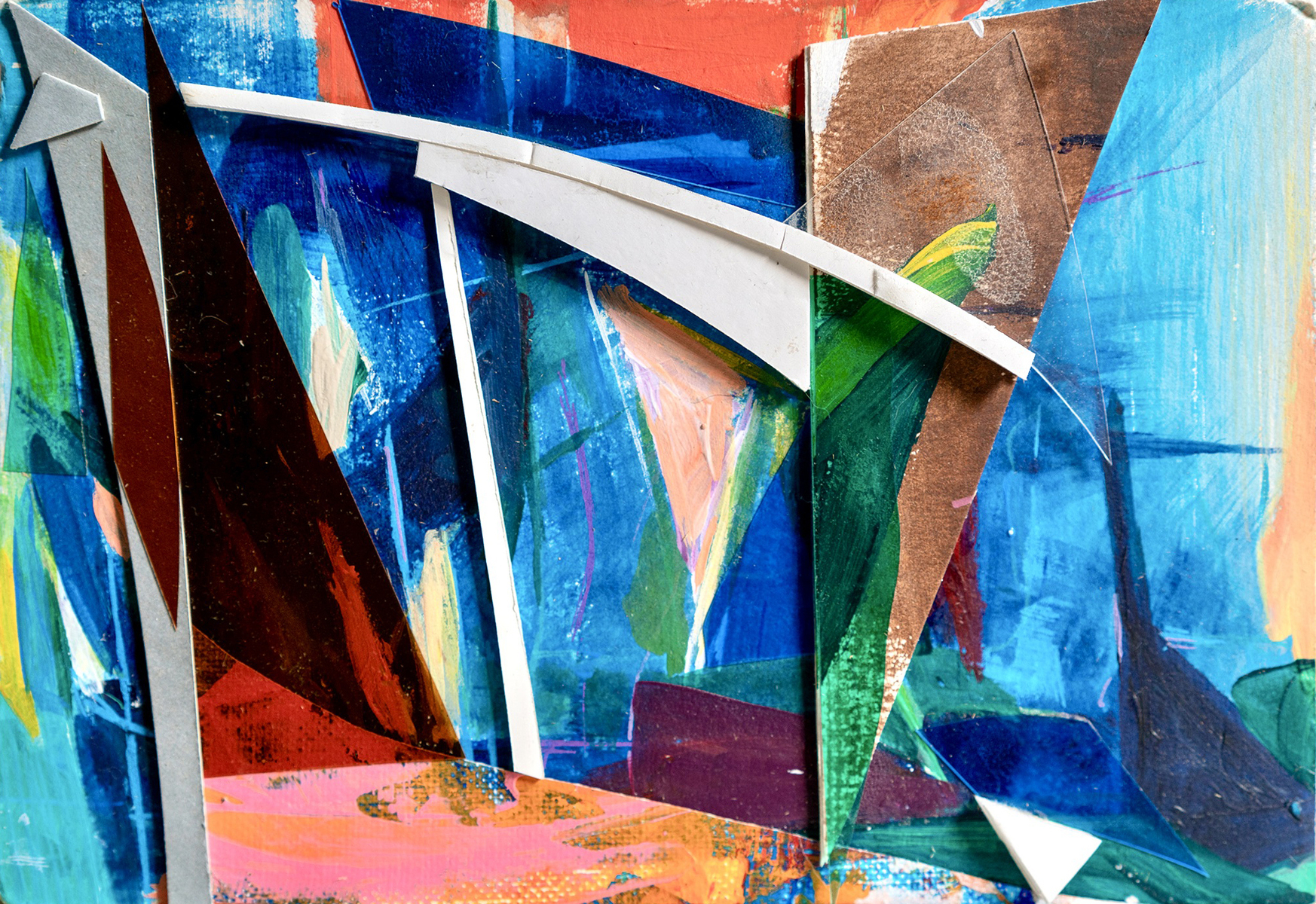
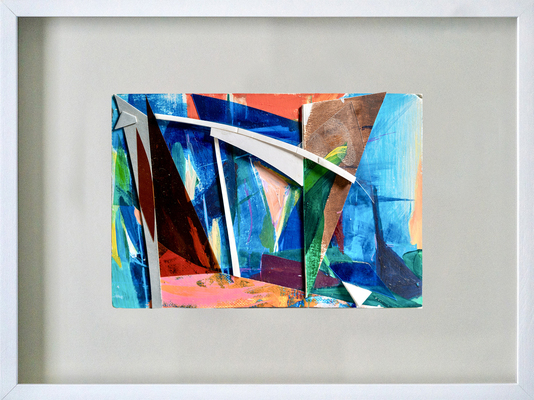
What an Old Photograph Evokes is a multi-layered mixed media composition that brings together painted surfaces, cut layers, and relief elements.
The title places the viewer in a specific mental position from the very first glance: this is not the photograph itself, but what that photograph awakens. Not the memory, but the aftershocks of the memory. This distinction is in complete harmony with the work's visual language, as the composition conveys not an objective reality, but a subjective inner experience.
The dominant color is blue and its tones. This family of colors, ranging from deep navy to light sky blue in varying intensities, is the universal carrier of nostalgia, distance, and longing for the past. Warm contrasts — red, orange, pink, and brown — are scattered across this cold ground. These islands of warmth symbolize the emotional core of the memory, those parts that still remain vivid; much like the single bright point the eye catches in a faded photograph.
The formal language is dynamic and multi-layered. Sharp-angled, leaning, and overlapping planes make the fragmented structure of memory visible. Memories do not come whole, but in fragments and overlapping; one scene covers another, one emotion lies beneath another. The metallic, oxidized element in the upper left corner stands like a single fixed directional marker in this fluid universe of memory — perhaps time itself, perhaps the very moment that photograph was taken.
The tension between the painted surfaces and the layers physically cut and placed within the work adds a distinct depth to the piece. The viewer does not merely look at a painting; they follow the traces of the past — both flat and relief, both visual and tactile.
What an Old Photograph Evokes describes in visual language how memory works: fragmented, colorful, sometimes blurred and sometimes sharp, but always emotionally alive. The work takes the viewer to their own memories — because what is evoked is not only the artist's photograph, but each viewer's own yellowed frame.
Similar Artworks
In the Depths..
100 x 100 x cm
Göknil Sarıoğlan
₺ 30,000
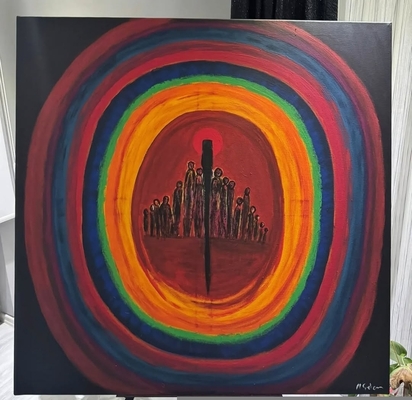
lights-in-the-ring-s..
100 x 100 x cm
Nafi Çekem
₺ 15,000
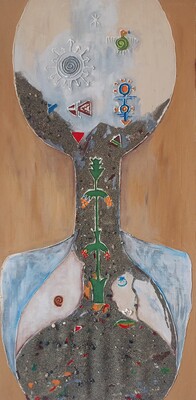
DEPLETION..
40 x 80 x cm
Asuman Sevdinli
₺ 25,000
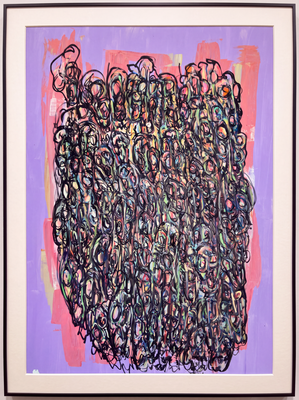
Skull..
70 x 100 x 0.04 cm
Ekim Mağden
₺ 50,000
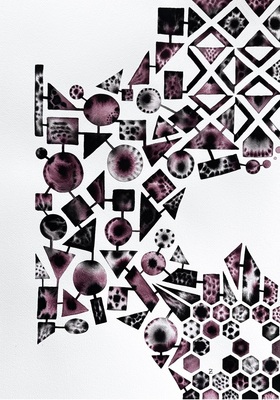
Family Tree..
36 x 50 x cm
Elif Zaim